What Should You Do for Happy Tail in Dogs?
Learn why happy tail happens, how to protect the tail tip, and how padding your home supports healing.
A happy wag can split skin fast, but padding your home stops most happy tail damage.
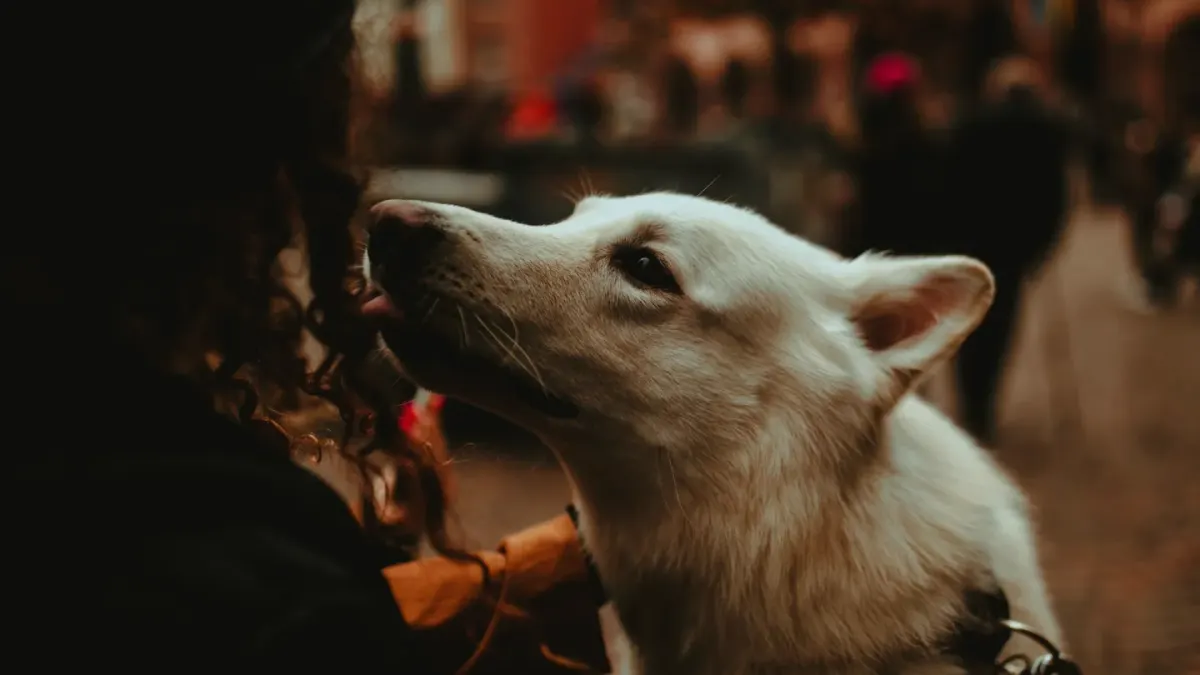
Rebecca first noticed tiny red flecks on the hallway wall in Bakersfield, then saw the tip of Squid’s tail was raw. Squid, her 7-year-old neutered male American Staffordshire Terrier, had been greeting her at the front door with full-body wiggles, and his strong tail had whipped the doorframe for three evenings in a row.
That pattern is classic for happy tail in dogs. A confident, high-energy wag meets a narrow hallway, crate wall, or coffee table, and the thin skin at the tail tip splits. Vets often see it in adult bully breeds, Labradors, and other dogs with long, muscular tails and a lot of greeting excitement. The bleeding looks dramatic because tails move and spray, but the real problem is repeat trauma.
Why a strong wag splits the tip open
The tail tip has little padding between skin and bone. One hard hit can cause a small cut or abrasion, and every future wag reopens it against the same surface. Dogs that spin with excitement when visitors arrive, when the leash appears, or when they race through doorways are at highest risk.
Expectation first: once the tip is open, it rarely closes in two days. The skin needs a calm window of 10 to 14 days without repeated banging to form sturdy tissue. That timeline is about behavior and environment as much as bandages.
Excitement is not a flaw to punish. It is the physical cost of enthusiasm. The plan that works best lowers arousal at trigger moments and softens the surfaces the tail can hit. If arousal is tied to long alone periods, learning to read Boredom vs Separation Anxiety: How to Tell the Difference can help you choose the right daily routine.
General wound-care guidance from Merck Veterinary Manual emphasizes keeping wounds clean, protected, and monitored for infection, which is a helpful baseline for tail-tip injuries too.
What helps the tail tip close
Bleeding tail tips need prompt veterinary care if bleeding will not stop, if tissue looks deep or dead, if the tail is swollen or painful, or if your dog is chewing the area raw. Your veterinarian can assess whether the wound needs cleaning, light bandaging, pain support, or, in chronic cases, discussion of tail-tip protection options.
At home, the principles are simple and preventive.
Keep the area clean and dry, and follow your veterinarian’s bandage instructions exactly. A tail bandage that is too tight can compromise circulation, so never add extra tape at home and call promptly if the tail swells above the wrap, feels cold, smells bad, or oozes. An Elizabethan collar may help support healing if chewing keeps restarting the cycle.
Keep greetings low and slow. Meet Squid outside or in an open room rather than a narrow entry. Ask visitors to wait until all four paws are settled before saying hello. Dogs that charge the door often need a separate plan for How to Stop Your Dog From Bolting Out the Front Door, because that same doorway sprint is what whips the tail into trim.

Movement still matters.
Short leash walks and sniff time in an open yard help release energy without hallway crashes. Hospital-care resources from Cornell University College of Veterinary Medicine remind owners that rest does not mean no enrichment, and that applies here: food puzzles, scatter feeding, and calm training sessions maintain routine while the tail is protected.
Pad the house so enthusiasm costs less
This is where I land with clients: you cannot train away a happy wag, and you should not want to.
You can change what the wag hits.
Wrap sharp furniture corners near wag height with foam corner guards. Move crates a few inches from walls so the tail clears during excited turns. Add a washable runner in narrow hallways and place a folded blanket over the end-table edge where your dog greets you. For chronic re-injury, some families temporarily block the tightest 4-foot stretch of hallway with a baby gate to force a wider turning radius.
Keep a simple log for two weeks. Note bleeding episodes, location in the house, and what happened just before. Most owners find one or two hot spots, often the front door and one crate corner. Fix those first.
Call your veterinarian right away for heavy bleeding, a tail that looks bent or limp, numbness, foul odor, fever, lethargy, or loss of appetite. Those signs point beyond simple happy tail and need hands-on assessment.
Padding is not giving up on training. It is giving the skin a fair chance to heal while joy stays intact.
Sources
- Merck Veterinary Manual — Merck Veterinary Manual
- Cornell University Hospital for Animals — Cornell University College of Veterinary Medicine