7 Ways a Predictable Routine Calms Nervous Dogs
Learn how consistent meals, walks, and rest help a nervous dog feel safe, move easier, and settle through the day.
A predictable daily routine helps nervous dogs rest easier by making meals, walks, and sleep feel safe.

Rachel in Las Vegas started setting an alarm for Rhea, her 8-year-old spayed female Cavapoo, not for herself. For two weeks Rhea had paced the hallway before breakfast, ears low, belly tight, then refused her morning walk past the third house.
Vets often see that pattern in nervous dogs. When the day feels random, the body stays braced. A predictable daily routine helps because it lowers surprise, and a body that can predict what comes next may help support calmer posture, easier movement, and steadier rest.
Predictability is not rigidity.
Mornings that tell the body what is next
Rhea settled fastest when Rachel kept the first 30 minutes identical: potty, fresh water, breakfast in the same corner, then a short sniff walk on the same block. Same order, same calm voice, no big hellos or rushed leash grabs.
That sameness matters for structure and function. Dogs that anticipate handling brace less through the neck, shoulders, and back. Less bracing may help support comfortable movement, especially in a small senior dog whose spine and hips already work harder to stabilize.
Feed at steady times, measure the meal, and leave 20 minutes of quiet after eating before play. Food-first steadiness supports digestion and whole-patient balance better than any add-on. Owners weighing calming chews can read more in Dog Calming Chews: What Actually Helps, and What’s Just a Sleepy Photo on a Bag before they change anything else.
Consistency calms muscles, too.
Midday movement that loosens tension
Nervous dogs often hold tension in the forelimbs, jaw, and low back. A midday walk at the same time, on a similar route, gives that tension somewhere to go. Keep it moderate: 15 to 20 minutes of sniffing beats a forced march, and a harness that does not pull on the neck may help support easier head and shoulder carriage.
For dogs that startle at noises or strangers, distance is medicine. Cross the street early. Let the dog watch, then move on. Guidance on fear and noise response from VCA Hospitals notes that predictable safe responses from owners help prevent escalation, which fits what chiropractic-minded vets watch for: a dog that does not have to jerk, twist, or slam on the brakes moves more symmetrically.
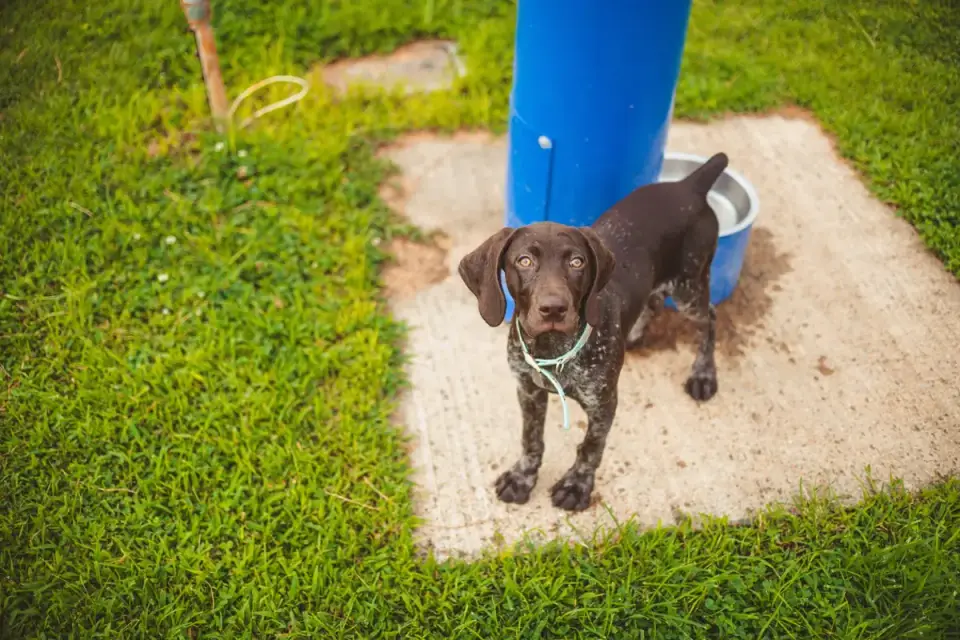
If weekdays leave the dog alone, keep the alone-time ritual identical. Same puzzle feeder, same room, same low music, same departure cue. Advice on alone-time distress from the American Veterinary Medical Association stresses gradual, consistent departures over dramatic goodbyes, and that steady pattern may help support calmer behavior over time.
Evenings that protect rest and recovery
Evening is where whole-patient balance is won or lost. Serve dinner within the same hour window, offer water, then a brief potty walk as the light fades. Dim the house, lower voices, and give the dog a defined bed rather than letting her drift from couch to doorway all night.
Touch helps when it is predictable. Two minutes of slow strokes along the ribcage and hips, ending before the dog gets restless, may help support relaxation without overstimulating sore spots. Stop if the back dips, the head whips, or the tail tucks. Those are structure talking.
Sleep protects joints. Research and clinical summaries from Cornell University College of Veterinary Medicine describe how fear and anxiety affect daily function, and tired, fragmented sleep makes stiff movement louder the next morning. Owners focused on mobility can compare that lifestyle base to supplement claims in Dog Hip and Joint Supplement: What Actually Helps, and What Just Sounds Good.
Keep weekends close to weekdays. A two-hour shift in meals and walks can undo five days of progress for a truly nervous dog.
The counterpoint is real: some dogs stay anxious despite perfect routine, especially with noise phobia, pain, or separation distress. Routine does not cure those conditions. It does make the musculoskeletal picture clearer, so a veterinarian can see what remains and address pain, training, or behavior medication directly.
Start tomorrow with one anchor. Same breakfast time, same walk loop, same bedtime cue for seven days. Watch shoulders, breathing, and how quickly Rhea-style pacing fades. Small, repeated safety is what lets a nervous body stand down.
Sources
- Separation Anxiety in Dogs — American Veterinary Medical Association