Why Your Senior Dog Has Lost Their Appetite
A veterinary nutritionist walks through the real reasons an old dog eats less — dental pain, organ disease, smell loss, and pain — and what to actually do about it.
When an old dog eats less, it's rarely stubbornness — it's usually pain, smell loss, or an organ working harder than it should.
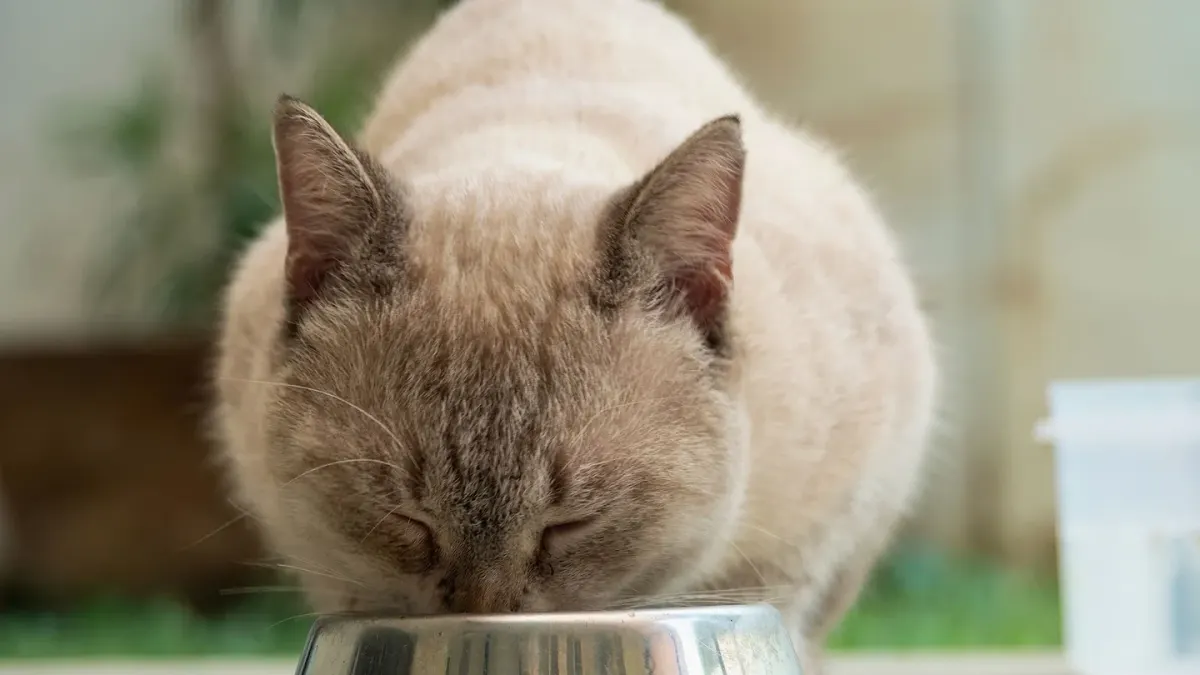
On this page
What does it actually mean when an old dog stops finishing the bowl?
Your dog used to inhale dinner. Now she sniffs it, eats half, and wanders off to the couch. Is that normal aging, or is it a symptom you’re supposed to catch?
I get some version of this question from owners several times a month, and I understand why it worries them — food is one of the few daily rituals we use to gauge how a dog is actually doing. The honest answer is that a drop in appetite is a symptom, not a diagnosis. It can point to something as fixable as a sore tooth or as serious as kidney disease, and the only way to tell the difference is to look at the whole picture: how much less she’s eating, how fast it happened, and what else has changed.
Picture a 12-year-old Labrador who’s always cleaned her bowl in under a minute. Over three weeks she starts leaving kibble behind, then walking away from wet food she used to love. Her owner assumes she’s “just getting old” and switches brands twice, hoping something will tempt her back. Nothing works, because the real problem isn’t the food — it’s a fractured molar she’s been avoiding for weeks. That’s the pattern I want you to hold onto: a picky-seeming dog is often a dog quietly working around pain, and the fix isn’t a fancier dinner, it’s a diagnosis.
Why do smell and taste fade first?
A dog’s appetite starts in the nose, not the stomach. As dogs age, the olfactory system that drives most of their food interest gradually loses sensitivity — the same reason an older dog may walk right past a treat she’d have detected across the yard at age three. Food that smells like less, tastes like less. This is one of the few causes on this list that isn’t a red flag by itself, but it does mean the fix is straightforward: warm the food slightly, choose something aromatic, and don’t assume disinterest always means illness.
What about pain — mouth, joints, or gut?
Dental disease is the cause I see missed most often, because dogs are remarkably good at hiding it. A dog with a sore tooth doesn’t refuse the bowl outright; she approaches it, takes a bite or two, then backs off, or she starts favoring one side of her mouth and dropping kibble. Periodontal disease is extremely common by a dog’s senior years, and it’s rarely obvious from across the room — it takes a real mouth exam to find.
Joint pain plays a similar role in a way owners rarely connect to eating. A dog with arthritis in her neck, spine, or hips may find it genuinely uncomfortable to stand hunched over a floor bowl for the time it takes to finish a meal, especially a large or deep-chested dog. Raising the bowl or feeding smaller portions more often can matter as much as anything you’d feed her.
Then there’s the gut itself. Chronic digestive discomfort — nausea, gas, irregular stool — can make a dog associate food with feeling bad, and she’ll eat less to avoid it. Digestive enzymes are one management tool here: enzyme replacement, paired with nutritional management using low-residue, moderate-fat diets and cobalamin supplementation, is a standard approach when exocrine pancreatic insufficiency is diagnosed, according to a review published via DOI.2460/javma.23.09.0505. That same review notes that future studies are still needed to understand why some dogs on enzyme therapy continue to show persistent gut dysbiosis — worth knowing before you assume a supplement alone will resolve a chronic eating problem.
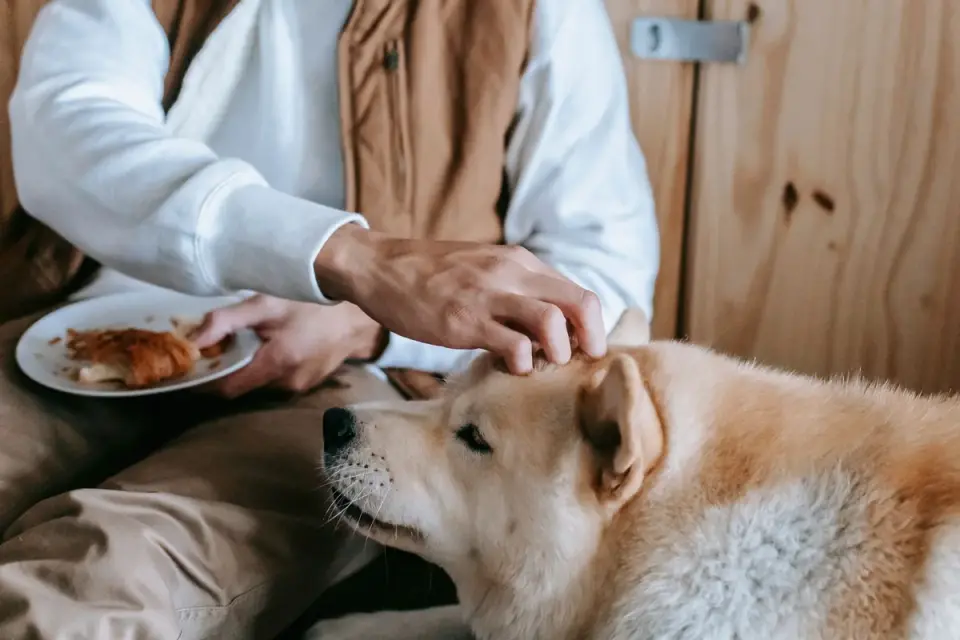
Could it be an organ, not the bowl?
This is the category that raises the stakes. Kidney disease, liver disease, and certain cancers all commonly present, early on, as nothing more dramatic than “she’s just not that into dinner lately.” According to the AAHA Senior Care Guidelines for Dogs and Cats, senior pets can lose muscle and overall weight due to age-related processes like inflammaging or an active disease process, and kidney disease in particular often causes nausea that quietly suppresses appetite well before an owner notices anything else is wrong. That’s the reason I push back on owners who want to “wait a week and see” — a week is a long time when the underlying cause is progressive.
Here’s where I’ll name the honest tension: not every drop in appetite needs bloodwork the same day. A dog who skips one meal after a hot afternoon or a stressful car ride is not a dog in crisis, and running to the vet for every missed dinner isn’t good medicine either — it’s expensive, stressful for the dog, and it trains owners to distrust their own judgment. The distinction that matters is duration and trajectory: a single skipped meal with a bright, active dog is very different from three or more days of reduced intake, or any weight loss you can feel along the spine.
What actually helps at home today?
Start with the exam question, not the food question — mouth first. Ask your vet to check for fractured teeth, gum recession, and pain on jaw palpation before you cycle through six dog food brands.
Warm wet food slightly and offer smaller, more frequent meals rather than two large ones; this plays to both the smell-fade issue and any mild nausea. If digestion seems to be part of the picture, Merck Veterinary Manual: pumpkin fiber is a gentle, natural source of both soluble and insoluble fiber, per Boops Pets’ vet-reviewed claim list, and a balanced gut microbiome supports overall immune function, per the same source — both are reasonable structure/function levers, not cures, and they don’t replace a diagnostic workup for a dog eating meaningfully less for more than a few days.
I want to be direct about where I land on supplements in this conversation, because owners often ask me to recommend one before we’ve even looked in the dog’s mouth: I won’t. Weigh what a supplement can realistically do for diet, mobility, and recovery, and you’ll see that a probiotic or fiber blend can support a gut that’s already functioning reasonably well — it cannot fix a fractured tooth, reverse kidney disease, or substitute for the physical exam that finds either one. The strongest counterargument I hear is that owners want to “do something” immediately, and a supplement feels like action. I understand the impulse, but treating a symptom without a diagnosis just delays the actual fix, and with appetite loss in an older dog, delay is the one thing you don’t want to spend.
A separate scenario worth knowing about, because it complicates the “just get her checked” advice: I’ve also seen otherwise healthy senior dogs go off food for a few days after a household disruption — a move, a new pet, an owner’s absence — with completely normal bloodwork. In that case the fix wasn’t medical at all; it was routine, patience, and in one memorable instance, simply feeding her in a quieter room away from a new puppy. That’s the edge case that should make you pause before assuming every appetite dip is organ disease — but it should never be your first assumption, only a conclusion you reach after ruling out pain and illness.
If you’re also navigating what’s safe to add to her bowl while you sort this out, our guides on mushrooms, apples, and bananas cover which human foods are worth offering as gentle, palatable additions — and our piece on onions covers one you should never reach for, however tempting it is to make dinner more interesting.
So — has your dog’s appetite actually dropped, or has the routine around her bowl just changed? That distinction is where you should start.
Frequently asked questions
How many days without eating well is too long for a senior dog?
A dog who's bright and active but eats a little less for a day or two after something stressful usually isn't an emergency. Three or more days of reduced intake, any weight loss you can feel along the spine, or a dog who seems lethargic alongside the appetite change warrants a veterinary exam — starting with the mouth.
Should I switch foods if my senior dog stops eating well?
Not as a first move. Switching brands repeatedly can mask a dental, pain, or organ-related cause and waste the days that matter for an early diagnosis. Get a mouth and physical exam first, then adjust the diet based on what's actually found.
Sources
- Disease Management: Nutritional and Nutrition guidance — AAHA (American Animal Hospital Association)
- Malabsorption Syndromes in Small Animals — Merck Veterinary Manual
- EPI treatment and gut dysbiosis review — DOI:10.2460/javma.23.09.0505