Does Ginger Actually Help Dogs With Car Sickness, According to Research
A TCM-informed look at ginger for motion-related nausea in dogs, what research does and doesn't show, and how to use it safely.
Ginger may help support settled stomachs on rides, but dog-specific research remains thin.
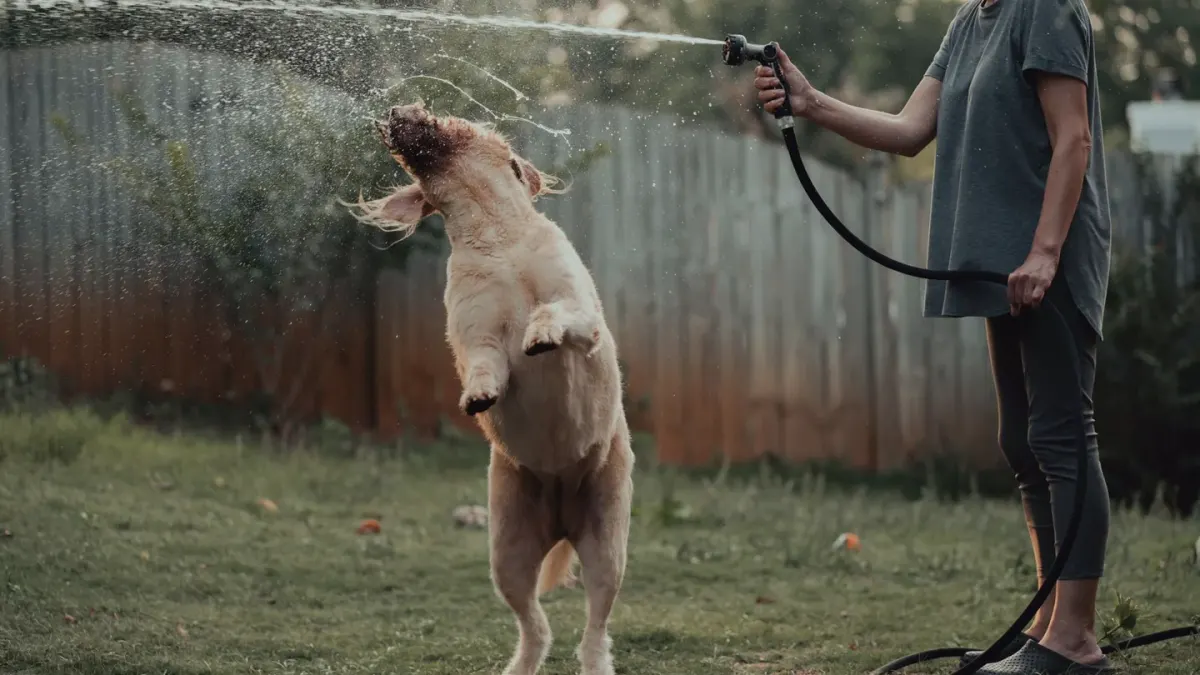
Start the ride before the ride. Feed a light, familiar meal three to four hours before travel, offer water, walk out nervous energy, and keep the car cool with steady airflow and a secured, forward-facing resting spot. That foundation settles more stomachs than any chew.
From an acupuncture-and-TCM lens, car sickness often looks like Stomach Qi moving the wrong way. Instead of settling downward to digest, it rebels upward as lip-licking, swallowing, drool, and vomit. Ginger has long been used to help support the normal downward movement of Stomach Qi and warm the center, which is why it keeps coming up for travel nausea. The framing is may help support, not fix, and it pairs best with training and routine.
A two-year-old 48-pound mixed-breed dog drooled through every 15-minute school pickup, then vomited on longer highway trips despite an empty stomach and an open window. The owner wanted to know whether to add ginger or ask about prescription motion support. We mapped the pattern together, short rides with yawning and lip-licking that built to drool by minute 10, then settled within an hour at home, and sketched a plan to test short, calm, treat-free practice rides first and track drool scores for three weeks in a simple log before adding anything new.
When settling the stomach starts outside the bottle
Motion need plus anxiety drives most cases. Puppies and adolescents often outgrow some sensitivity as the vestibular system matures, while anxious adults pair movement with panting, whining, pacing, or refusal to load up. Separate the two before you supplement.
Do this today. Keep practice rides under five minutes and neutral, park, treat-free sniff, home. Gradually add duration, same route, same seat setup. Avoid feeding a large meal right before travel. Withhold nothing else without veterinary direction, and keep ginger, if you try it, as one small part of a steady routine rather than a ride-day rescue.
This is where MDPI Biomedicines helps set expectations. That review notes: “For the remaining species, evidence is derived mainly from preclinical studies or traditional use.” In plain terms, much of the non-human case for calming and stomach-settling herbs leans on laboratory work, traditional herbal care, and human data, not controlled dog trials for car vomiting.
What human and lab work on ginger can and cannot tell us
Ginger is one of the better-studied kitchen herbs for nausea in people, and laboratory work explores motility and gut signaling. That background explains owner interest, but it does not transfer directly to dogs in a moving car. Dogs differ in metabolism, dose response, and the anxiety component that amplifies nausea.
For general background on how ginger is described in human supplement literature, the National Institutes of Health Office of Dietary Supplements maintains a ginger fact sheet. Read it as context on traditional use and research gaps, not as dosing guidance for a nauseous dog.
A five-year-old 26-pound hound mix tried a store ginger biscuit 30 minutes before a lake trip, on an empty stomach, and vomited at mile 12 much as before. By day 10 of weekend trips the owner reported the same arc, bright at loading, restless panting by minute 20, then drool and a single vomit, whether the biscuit was given or skipped. The tradeoff was clear, the biscuit added calories and hope but changed no pattern, and skipping breakfast may have left the stomach more reactive rather than calmer.
How I use ginger thinking without overpromising
My position is narrow. Consider plain, food-form ginger only as a low, short-term support within a training and routine plan for mild, motion-pattern nausea, and only with your veterinarian’s okay on suitability and amount for your dog’s size and health history.
The strongest counterargument is fair. There are no robust canine randomized trials showing ginger prevents car vomiting, and any quieter ride may reflect habituation, cooler air, an emptier stomach, or less owner tension rather than the herb itself.
I still land here because the risk-benefit balance favors a cautious trial over doing nothing or jumping straight to daily supplementation. Ginger does not retrain the vestibular-anxiety loop, and for whole-dog wellness the levers that move health first remain diet timing, exercise before travel, and behavior, a point explored in Dog Calming Chews: What Actually Helps, and What’s Just a Sleepy Photo on a Bag and Melatonin for Dogs: What the Hormone Actually Does (and Where Owners Overreach). If rides stay rough, that pattern itself is information to bring to your veterinarian.
Keep the trial clean. One change at a time. Log drool, vomit, panting, and recovery time. Stop what does not help.
An eleven-month-old 62-pound adolescent shepherd loved the park but dreaded the ramp, and by week four the owner noticed the worst drool happened in traffic, not on curves, with full recovery within 20 minutes at home. That traffic-only pattern pointed more toward arousal and barrier frustration than pure motion sensitivity, so we shifted the plan to loading practice, relaxation on a mat in the parked car, and shorter departures rather than more ginger. The edge case matters because stomach-centered support cannot settle a brain-centered trigger.
Talk with your veterinarian first if your dog is pregnant, nursing, diabetic, on anticoagulant or antiplatelet drugs, scheduled for surgery, or prone to gallbladder or bleeding issues, and stop and call if you see repeated vomiting, lethargy, diarrhea, or refusal to drink. What question will your next three ride logs answer about pattern, not product?
Frequently asked questions
Does research prove ginger stops vomiting in carsick dogs?
No. No robust canine trial proves prevention, and current support leans on traditional use, preclinical work, and human nausea literature rather than dog motion trials.
What should I try before any supplement?
Light meal timing, pre-ride exercise, cool airflow, a secured resting spot, and short neutral practice rides with a simple symptom log to separate motion sensitivity from anxiety.
Sources
- Evidence in remaining species from preclinical studies or traditional use — MDPI Biomedicines
- Ginger Health Professional Fact Sheet — National Institutes of Health Office of Dietary Supplements