Why Is Your Dog Licking Paws All the Time?
A primary-care vet explains how timing, skin clues, and pain signs separate allergies, boredom, and sore feet — and what to track before the vet visit.
The paws are rarely the whole story — the clock, the skin between the toes, and how your dog moves tell you far more than the licking itself.

On this page
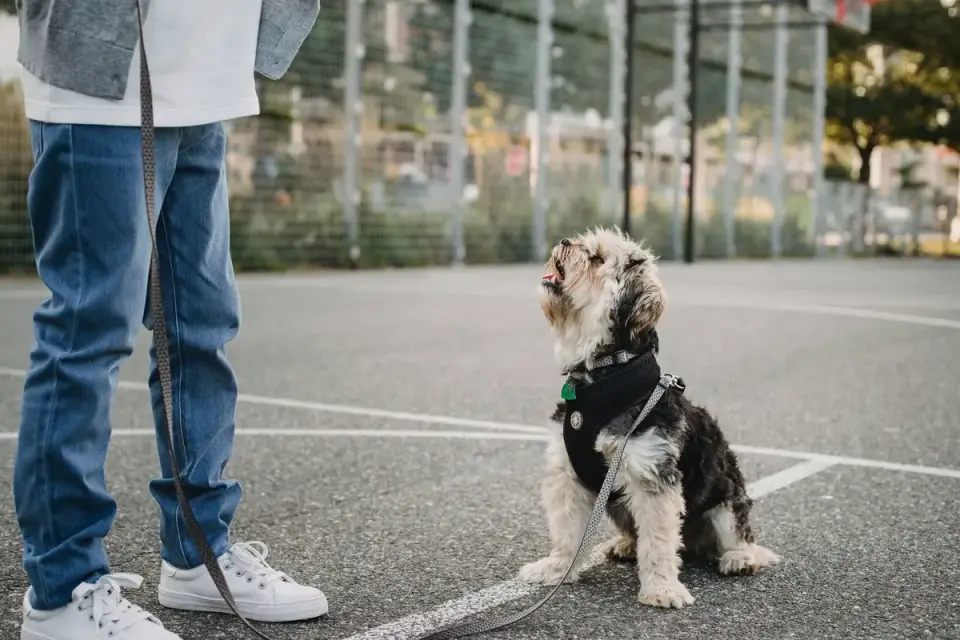
Rita first noticed it on the rug after evening walks in Minneapolis — Maru, her 3-year-old spayed Lhasa Apso, settling in to lick her front paws for a full ten minutes while Rita scrolled her phone.
It looked harmless at first. Then the fur between two toes turned pink, the licking stretched past bedtime, and Rita could not tell if this was allergies, boredom, or something sore. Vets often see that same stuck moment, and the way forward is less about picking one answer and more about watching for pattern.
Constant paw licking has several common drivers. My position after years of preventive-care counseling is simple: track when it happens for a week before you treat it as any single diagnosis. That log protects you from chasing allergies all winter when the real trigger is dry salt on a walk, or from adding more toys when a nail or arthritic wrist is driving the behavior.
Is the licking tied to a time, a place, or a season?
Start here, not with the paw itself. Allergy-driven licking tends to follow exposure — after walks through pollen, during late summer and fall, or year-round in a food-sensitive or dust-mite-sensitive dog. Boredom or habit licking clusters around downtime: evenings on the couch, after everyone leaves, or when exercise has been short for a few days.
The VCA Hospitals allergy overview notes that itchy skin, face rubbing, and foot chewing often travel together in allergic dogs, which is a useful check. If Maru licks only the front feet every night but never rubs her face, never scratches her ears, and has normal skin, allergies move down the list.
Write down four things for seven days: start time, which paws, what happened just before, and what stopped it. A common question is whether one paw or all four matters, and it does — one persistently licked paw points more toward a local problem like a foxtail, burr, cracked nail, interdigital cyst, or sore joint.
What do the paws and the rest of the body show?
Look, do not just watch. Gently part the toes in good light and check for redness between the digits, brown staining from saliva, flaking, odor, swelling of one toe, a torn nail, or a smooth lump between the toes. Dogs with year-round or seasonal skin allergies often chew multiple feet and show pink skin, light hair loss, or secondary infection.
The American Kennel Club notes pain, injury, and skin irritation among the reasons dogs focus on their feet, which matches what primary-care exams find. Limping after rest, stiffness on stairs, hesitation to jump, or licking the same wrist or ankle joint can reflect orthopedic or neurologic discomfort rather than itch.
That distinction changes the next step.
If you see swelling, bleeding, a non-weight-bearing limp, a foul odor, yellow-green discharge, or rapid hair loss, call your veterinarian promptly rather than waiting out the log. Those signs suggest infection, a foreign body, or injury that needs hands-on care.
Which daily levers calm feet without guessing at a cure?
Food, movement, foot care, and rest shape paw behavior more than most owners expect. Keep meals consistent and complete, weigh portions to a lean baseline, and avoid cycling through novel proteins every two weeks — rapid diet changes muddy any later food trial your veterinarian might recommend.
Add movement back before you add anything else. Many evening lickers are under-exercised, not anxious. A 20-minute sniff walk, five minutes of nose work, and a food puzzle can shorten nighttime licking for dogs whose log shows a boredom pattern. For help sorting that pattern, compare notes with Boredom vs Separation Anxiety: How to Tell the Difference and Is My Dog Chewing Out of Boredom or Anxiety?.
Rinse feet after salty or chemically treated sidewalks, dry fully between toes, trim overlong nails, and check for matted hair pulling between pads. Low-stress handling helps here: short sessions, treats for cooperation, and stopping before the dog pulls away may help support calmer paw checks over time.
This is where expectations matter. Calming routines and consistent days may help support normal behavior, but they do not resolve infection, a lodged awn, or arthritis. Where the evidence is thin — herbal blends, foot soaks marketed as allergy cures, or repeated anti-itch baths without a diagnosis — I tell owners to pause and get a baseline exam first.
When does the log point to the vet, and what brings?
Bring the week of notes, plus video of the licking and of walking and turning both ways. Your veterinarian will use the timing, the number of feet involved, and the skin and gait findings to decide whether the next step is skin testing, cytology for infection, a diet trial, imaging of a sore joint, or a referral for behavior support.
Ask directly: does this look like itch, pain, or habit to you, and what would change your mind? That question keeps the visit focused on structure and function — healthy skin, comfortable movement, and restful behavior — rather than a quick fix.
For Rita and Maru, that approach paid off. The log showed licking within 30 minutes of evening walks on treated sidewalks, two front feet only, no ear or face itch, and clean, dry skin. A rinse-and-dry routine plus a slightly longer afternoon walk shortened the sessions within two weeks, and the remaining pink spot earned a recheck instead of a new supplement.
Track first. The paws will tell you the rest.
Frequently asked questions
Should I stop my dog every time she licks her paws?
Redirect calmly once, then watch what happens. Brief redirection is reasonable, but constant interruption without addressing itch, pain, or boredom rarely holds. Use the log to find the trigger and fix that first.
Does licking one paw mean something different than licking all four?
Often, yes. One-paw focus raises concern for a local issue such as injury, foreign material, infection, or joint pain in that leg. Multi-paw licking with face rubbing or ear scratching fits itch and allergy patterns more closely, but only an exam can confirm it.
Can more exercise really reduce paw licking?
It can when boredom or restlessness drives the habit. A daily sniff walk, short training game, and a food puzzle give the mouth and brain another job, especially for evening lickers. If licking persists despite adequate activity, look harder at skin and pain causes.
Sources
- Managing Allergies in Dogs — VCA Hospitals