How Much Daily Walking Senior Dogs Usually Need
A vet-led guide to daily walking totals for senior dogs, plus how to split walks, read fatigue, and adjust for joints and weight.
How much daily walking your senior needs depends on joints, weight, and recovery — here's how to set it.
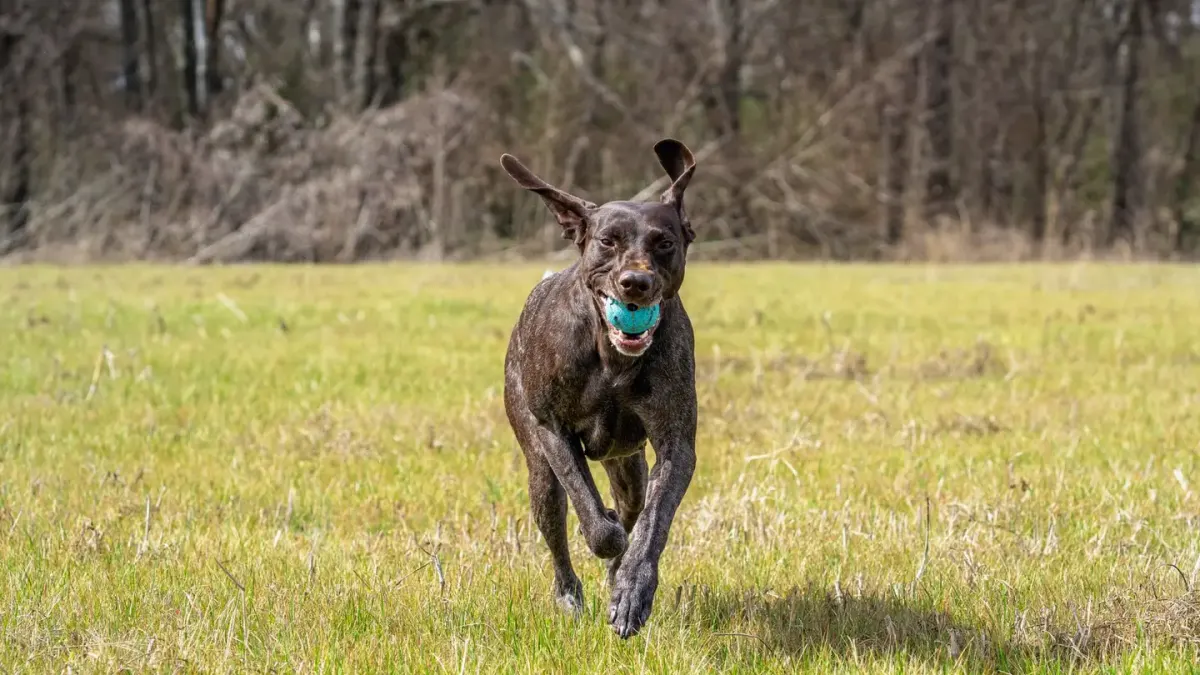
Most senior dogs do best with 20 to 30 minutes of easy walking a day, split into two short outings rather than one long march.
That total is a starting point, not a prescription. In practice, Vets often see stiff mornings loosen up once owners trade distance for consistency. Luis, in Fairfield, California, noticed it with Reuben, his 9-year-old neutered male Morkie mix, when a single 25-minute loop left him lagging at the curb — two 10-minute loops with a rest between kept his pace steady for two weeks straight.
Use this quick checklist before you decide on a number:
- Split the total: two 10- to 15-minute walks beat one 30-minute walk for stiff dogs
- Keep the pace conversational: your dog should sniff, wag, and recover within 15 minutes
- Score the surface: grass and packed dirt over concrete, hills only by choice
- Watch the next morning: lingering stiffness means yesterday was too much
- Weigh food first: extra pounds raise the cost of every step
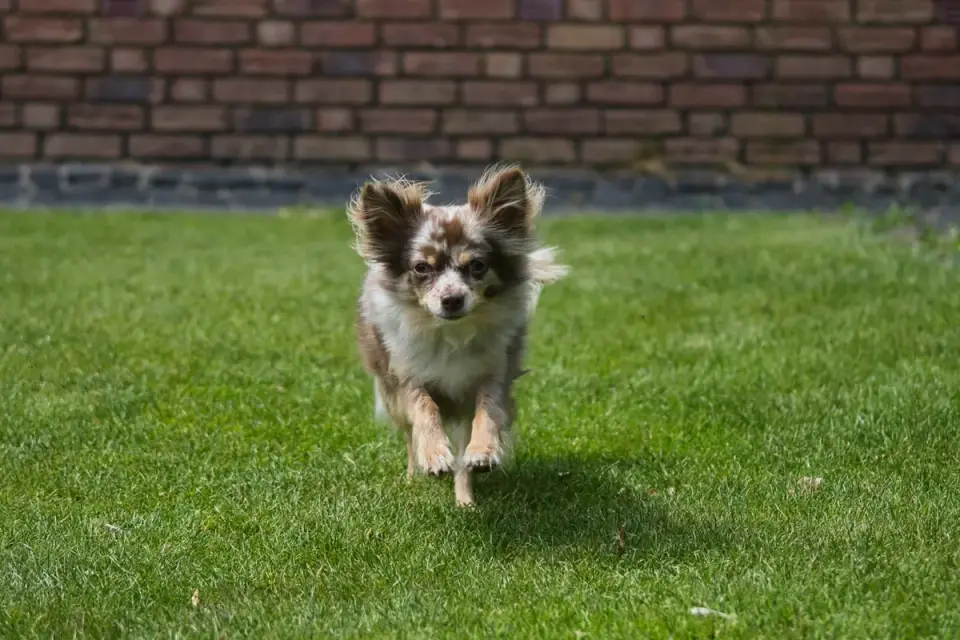
What does enough walking look like for a senior dog?
Think in minutes and effort, not miles. A healthy small senior like Reuben often holds 20 to 30 minutes total. A large-breed senior with arthritis may top out at 10 to 20 minutes, while a fit 8-year-old retriever still enjoys 30 to 40 minutes on soft trails.
Let breathing be your speed limit. Nose-down sniffing and loose leash means the pace fits. Heavy panting that lasts past the driveway, frequent sits, or dragging behind means you overspent.
The American Veterinary Medical Association reminds owners that senior dogs benefit from regular veterinary checkups and weight-aware care, which lines up with what movement does here: steady, low-load walks help maintain muscle and healthy weight without pounding joints.
How do you build the daily total without sore joints?
Start where your dog succeeds today, then add five minutes per walk every three to four days if recovery stays clean.
A workable pattern is morning and evening loops on flat ground, with a midday sniff break in the yard. Save off-leash play and hills for good days. If heat is a factor, borrow the timing rules in When Is It Too Hot to Walk a Dog? A Vet’s Pavement Test and Timing Rules and walk early or late.
Warm muscles move better.
Two minutes of slow leash walking, gentle turns, and sniff stops before a brisker pace helps older bodies transition, the same idea behind Warm-Up Exercises Before a Dog Runs or Plays. Keep cool-downs just as boring: slow the last three minutes and offer water.
Food does quiet work here. A lean body condition lowers joint load with every step, and balanced protein helps maintain the muscle that steadies aging knees and hips. Joint-support ingredients like glucosamine and chondroitin may help support mobility as part of a full diet and exercise plan, though the nutritional evidence in dogs is mixed and modest. That is the honest frame: feed for lean weight first, use supplements as background support, and judge them by movement over weeks, not by one good walk.
When should the walk get shorter?
Shorten the walk before your dog tells you to stop.
Cut the outing in half for the day if you see lagging, head-down plodding, limping, coughing, or a sit-down refusal. End early in heat, on slick ice, or when panting stays loud after you slow down.
Age alone is not the whole story. Jessica, in Cary, North Carolina, walks Kylie, her 14-year-old spayed female Maltipoo, as three 5-minute neighborhood loops with water breaks because one 15-minute loop left Kylie panting for an hour. Total time stayed similar. Recovery changed everything.
Pain guidance from the American Animal Hospital Association emphasizes watching daily function and adjusting activity to comfort, which is exactly how owners should use that next-morning check. If stiffness lasts into the afternoon, if stairs get harder, or if your dog sleeps the rest of the day after a walk, hold the shorter total for a week and ask your veterinarian about a joint and pain check.
For dogs that tire quickly outdoors, a treadmill is not automatically easier. The comparison in Dog Treadmill vs Outdoor Walking: What Actually Builds a Healthier Dog is useful because outdoor sniff walks add balance work and mental enrichment that steady belt time misses.
Your next step is practical: time tomorrow’s walk, note recovery, and adjust by five minutes. Senior dogs keep what they use gently, every day.
Sources
- Senior Pets — American Veterinary Medical Association
- 2022 AAHA Pain Management Guidelines for Dogs and Cats — American Animal Hospital Association