When Fetch Is Too Much: Signs Your Dog Needs a Break
Learn the early and late signs a dog is overdoing fetch, plus how to adjust play, rest, and recovery.
Fetch hides fatigue well, so learn the early slowdowns, heavy panting, and recovery lags that matter.
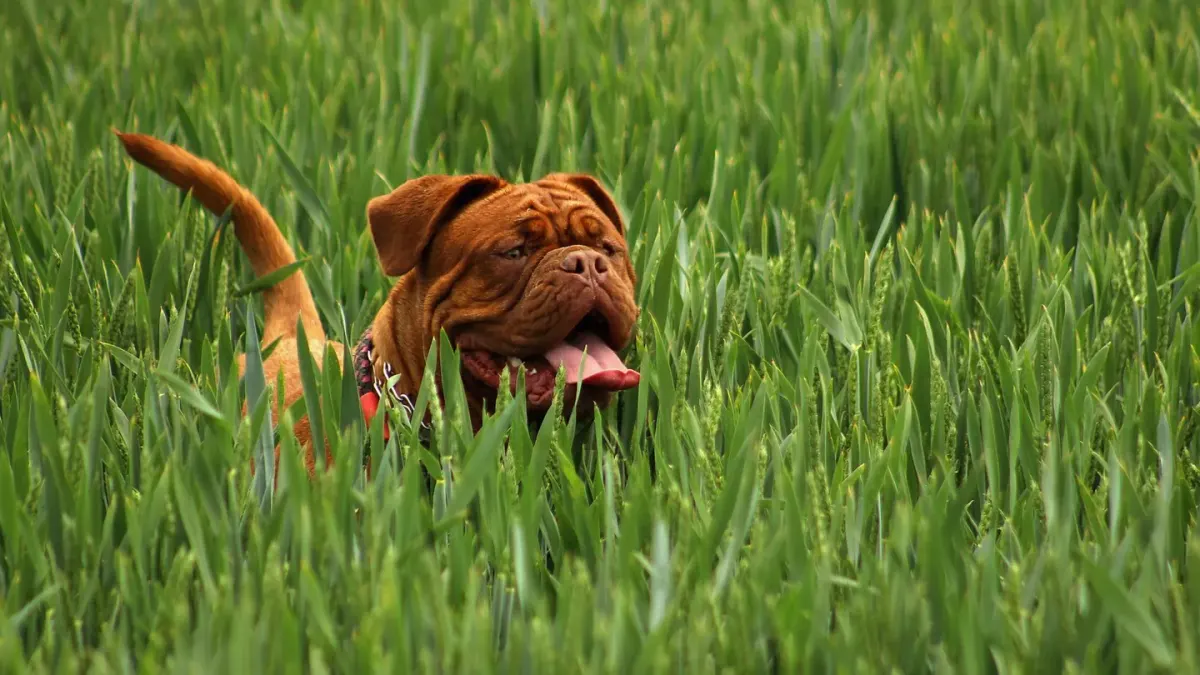
On this page
Ricardo thought his 11-year-old Vizsla, Emerson, could still play like he did at five. In Portland, Oregon, they kept their evening routine of 20 fast throws across the park, until Emerson started lying down between returns and taking almost an hour to stop panting once home.
Vets often see that same pattern in high-drive fetch dogs. The game rewards sprint, stop, and turn, so adrenaline masks fatigue until the dog is already past a comfortable limit. Watching for the shift early protects joints, tendons, and temperature regulation far better than stopping only when the dog quits.
Why fetch tires dogs faster than it looks
Fetch is interval sprinting, not steady cardio. Each chase packs acceleration, hard braking, and a twisting grab, then almost no real rest before the next throw. Older dogs, heavy dogs, and short-nosed breeds feel that workload sooner, and warm air raises the cost again.
That structure explains why a dog can look brilliant for ten throws and flat on throw twelve. Food, body condition, and daily movement set the baseline, while the session itself decides how quickly reserves run out. A supplement may help support normal joint flexibility and mobility over time, but it cannot offset too many hard repetitions on a tired body.
For context on workload, compare this pattern with Fetch vs. Structured Walks: Which Exercise Actually Serves Your Dog Better? and Dog Treadmill vs Outdoor Walking: What Actually Builds a Healthier Dog.
Early signs to pause the game
Catch these and you can usually reset with water, shade, and a few minutes of calm walking.
Heavy, wide-mouthed panting with a long tongue and drool comes first for many dogs. Slowing on the outrun, looping wide on turns instead of cutting sharp, or dropping the ball short are movement clues. Some dogs start missing catches they normally make, sniffing and wandering mid-field, or asking for longer pauses before re-engaging.
Heat deserves special attention. The American Veterinary Medical Association notes that glazed eyes, thick drool, vomiting, and unsteady movement can signal heatstroke, which needs rapid cooling and veterinary care. On warm days, pair that guidance with When Is It Too Hot to Walk a Dog? A Vet’s Pavement Test and Timing Rules.
Stop for the day if panting stays loud after five minutes of rest.
Late signs you pushed past the limit
Limping, a stiff or tucked rear, head bobbing at a trot, or refusing stairs the next morning point to musculoskeletal overload. Sore dogs may lick a carpus or shoulder, stand shifted off one leg, or seem reluctant to jump into the car.
Other red flags are not orthopedic. Stumbling, collapse, pale or brick-red gums, vomiting, or panting that does not ease with rest warrant same-day veterinary evaluation. The canine heatstroke study summarized on PubMed describes heatstroke as a progressive emergency where early cooling and prompt treatment improve the chance of recovery.
Keep notes for a day or two. Stillness the evening after fetch is information.
What to do instead of one more throw
End the session while your dog still wants another rep. Trade the last five throws for a five-minute sniff walk, then offer water and shade rather than ice-cold gulps. A brief routine from Warm-Up Exercises Before a Dog Runs or Plays works just as well as a cool-down.
At home, weigh what food and condition can realistically do for mobility and recovery. Lean body weight lowers braking forces, steady daily walks build aerobic base, and omega-3s and joint-support ingredients from a balanced diet may help support normal joint structure over time. Where the evidence is thin, treat extras as support, not repair.
For the next outing, try fewer throws with longer breaks: three to five sprints, a two-minute walk, then reassess panting and enthusiasm. Rolling the ball on grass, using a flatter trajectory, and avoiding slick or pitted ground cuts the hardest stops and leaps.
If soreness lasts beyond 24 to 48 hours, if limping recurs each time you play, or if heat signs appeared, call your veterinarian before restarting fetch.
Frequently asked questions
How many throws of fetch is too many?
There is no fixed number. Stop when panting stays heavy after a short rest, speed drops, turns widen, or focus fades — for many adult dogs that shift appears within 10 to 15 hard sprints.
Should I let my dog keep playing if they still bring the ball back?
Not always. High-drive dogs will keep retrieving while tired, sore, or hot. End while they still want more, then cool down with a sniff walk, water, and shade.
When should I call the vet after fetch?
Call promptly for limping, collapse, vomiting, pale or brick-red gums, stumbling, or panting that does not ease with rest. Soreness lasting beyond 24 to 48 hours also deserves an exam.
Sources
- Warm Weather Pet Safety — American Veterinary Medical Association
- Heatstroke in dogs: A retrospective study of 54 cases (1999-2004) and analysis of risk factors for death — PubMed