7 Ways Regular Vet Visits Support Senior Dogs
How regular vet checkups support a dog's later years, from early detection to dental, weight, and home care.
Regular vet checkups support senior dogs by catching small changes early, when care still helps most.
On this page
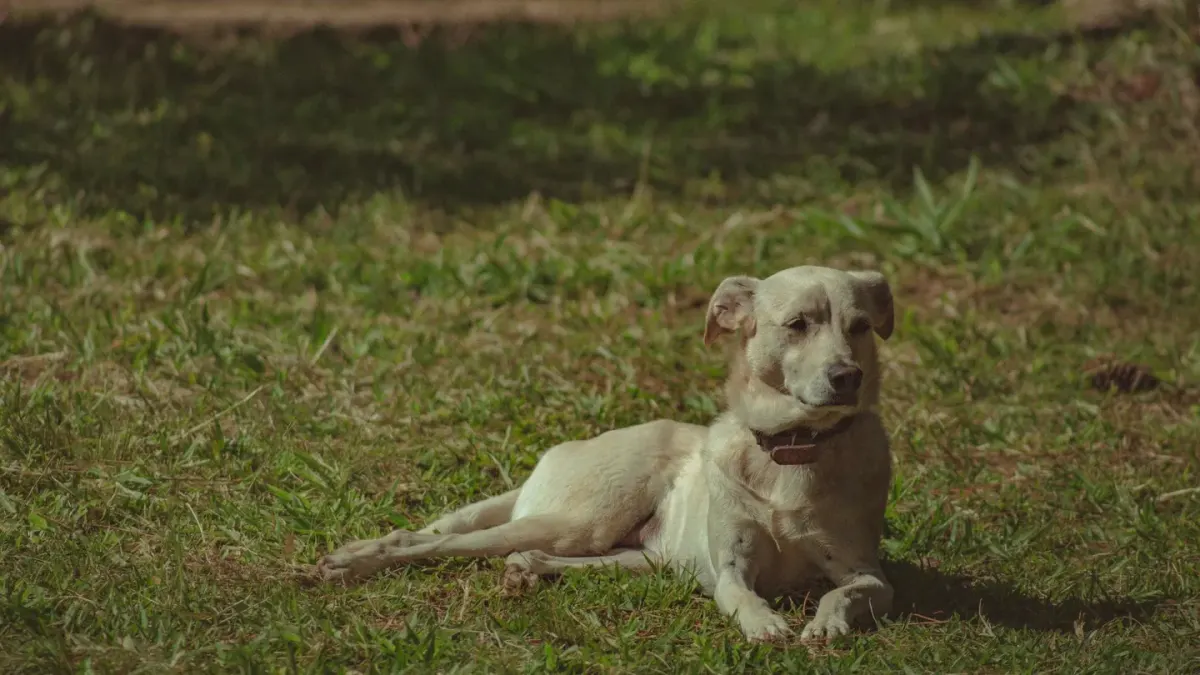
Gerald noticed it on the short walk back from the mailbox in Coral Springs — Siena, his 14-year-old spayed Basset Hound, paused twice and licked at her front teeth. She still ate dinner, still wagged, but she chewed only on one side for about three days. That small shift is what regular checkups are built to catch.
Senior dogs change in quiet ways. Appetite looks almost normal. A nap runs a little longer. Plaque thickens along the gumline and breath turns sour. Vets often see owners explain those signs away as just age, when a hands-on exam would show sore gums, a lost pound, or stiff hips that deserve attention.
Why twice a year matters after gray muzzle sets in
Most adult dogs do well on an annual exam. Once a dog is in the senior window — roughly 7 and up for large breeds, 10 and up for small breeds — many veterinarians suggest moving to every six months.
The reason is pace. Kidney values, thyroid levels, blood pressure, and arthritis can shift over four to six months without obvious signs at home. The American Veterinary Medical Association notes that senior pets benefit from more frequent exams and baseline lab work so trends can be tracked over time.
That trend line matters more than any single number. A weight drop from 44 to 41 pounds means more when the chart shows the slide started two visits ago.
What a senior-focused exam actually covers
A good senior checkup is longer and more tactile than a vaccine visit. Expect weight and body condition scoring, a full mouth exam, heart and lung listening, belly palpation, joint range of motion, skin and lump mapping, and vision and hearing checks.
Blood work, urinalysis, and blood pressure are common add-ons. They help flag early kidney disease, diabetes, liver changes, and hypertension before thirst, urination, or behavior changes appear at home. Owners who wonder about new confusion in a familiar yard can read more in Why a Senior Dog Gets Disoriented in Her Own Backyard.
Dental disease gets its own look because the mouth drives so much comfort. Periodontal infection makes chewing painful, seeds bad breath, and keeps the gums inflamed. That oral-systemic link is real in one direction — a sore mouth changes how a dog eats, plays, and rests — and I will say plainly when a claim outruns the periodontal data: we do not have proof in dogs that cleaning teeth prevents heart or kidney disease, only that it supports comfort, appetite, and lower oral inflammation.
Weight, food, and movement get reset each visit
Muscle loss hides under a steady scale weight. A rib check, thigh feel, and gait watch tell the fuller story.
This is where diet and lifestyle lead. Most seniors do best with consistent portions, a complete senior or adult diet fed to lean condition, and short daily walks rather than one long weekend outing. After light activity in warm weather, a slow cool-down helps more than extra exercise; see How to Help a Senior Dog Cool Down Safely After Light Summer Exercise.
VCA Hospitals emphasizes adjusting calories to body condition, keeping exercise low-impact and regular, and modifying the home with rugs, ramps, and raised bowls as mobility slips.
If appetite fades, do not jump to a supplement first. Ask whether mouth pain, nausea, constipation, or a food that has gone stale is the cause.
The plan you take home
Leave with three things written down: what was normal, what to watch, and when to return. For Siena, that meant a dental cleaning under anesthesia after lab work cleared her, a 0.5-mile walk split into two loops, and a recheck in three months to weigh her again.
Tony’s 10-year-old Rat Terrier Lea, down in Corpus Christi, shows the other pattern vets see often — bright at the visit but drinking more water for two weeks. That one detail triggers a urinalysis and a diabetes or kidney check the same day.
Small details steer care.
Ask for a lump map if your dog grows warts and cysts, a pain score for stairs and rising, and a home checklist for appetite, thirst, stool, sleep, and coughing. Nutrition questions fit here too, from protein needs to safe extras like those covered in Can Dogs Eat Mushrooms? A Vet Nutritionist’s Field Guide.
Regular visits will not stop aging. They keep it visible, measured, and easier to support one decision at a time.
Frequently asked questions
How often should a senior dog see the vet?
Many vets suggest every six months once a dog reaches senior age, with blood work and blood pressure checked at least yearly to track trends.
What labs does an older dog need?
Common screens include complete blood count, chemistry panel, urinalysis, thyroid testing where indicated, and blood pressure. Your vet tailors the panel to age, breed, and medications.
Does a dental cleaning really help an old dog?
When mouth pain, tartar, and inflamed gums are present, professional care under anesthesia supports comfort and eating. It does not treat systemic disease, and anesthesia risk should be weighed with pre-anesthetic testing.
Sources
- Senior Pets — American Veterinary Medical Association
- Senior Dog Care — VCA Hospitals