Indoor Exercise for a Dog Recovering From a Cruciate Injury
A rehab-minded indoor plan for cruciate recovery — safe movement, footing, weight control, and what to avoid.
Indoor exercise for a dog recovering from cruciate injury should rebuild strength without stressing the healing knee.
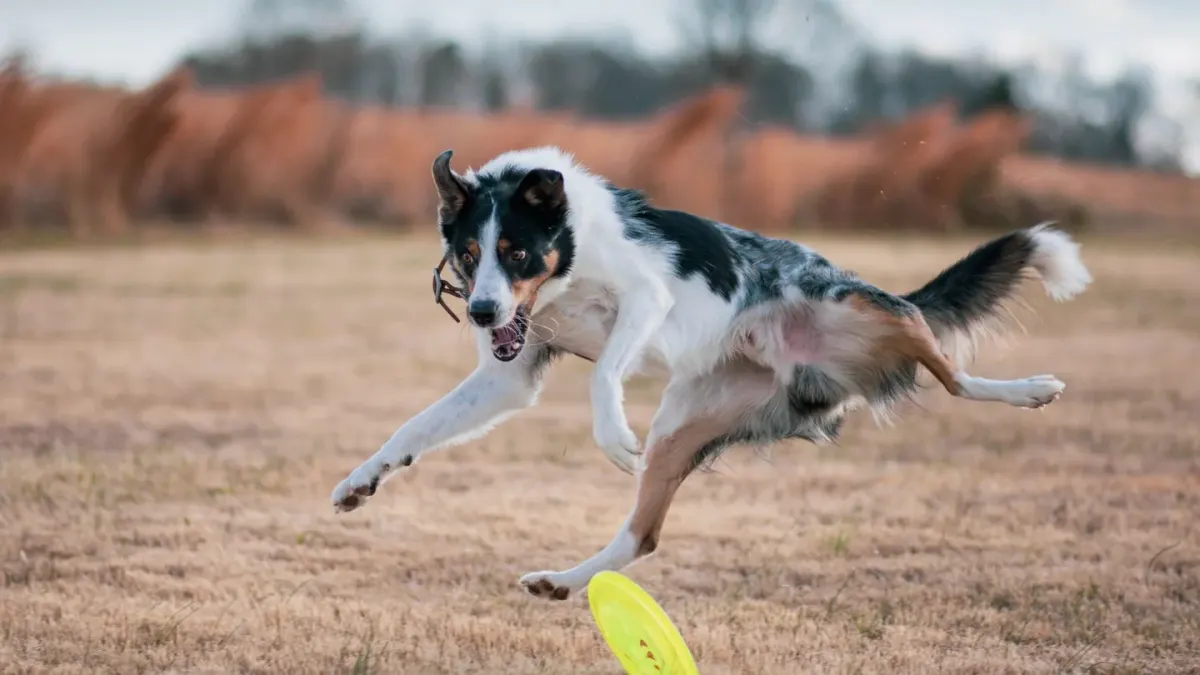
Indoor recovery starts with control, not activity, and for a cruciate injury that distinction decides how well the knee heals.
Three weeks in, I watched a four-year-old, 78-pound Labrador mix finally place his sore hind leg flat to steal a treat from a snuffle mat instead of hovering it. He was six weeks out from a partial cranial cruciate tear managed without surgery, stuck inside during a rainy stretch, and his owner was worried he was losing muscle by the day. We laid down yoga mats wall-to-wall in the hallway, set a rule of three five-minute leash walks indoors per day, and added weight shifts and slow treat lures. That flat-footed step was the marker that changed — load shared, not avoided.
Your indoor checklist — do this before you add more:
- Vet clearance first: confirm weight-bearing status, brace or surgery limits, and pain plan
- Traction everywhere: rugs, mats, no slick floors
- Short and leashed: 3–5 minute controlled sessions, 2–4 times daily
- Flat and straight: no stairs, jumping, pivoting, or slippery turns
- Rebuild posture: weight shifts, slow sit-to-stands only if approved, short hallway walks
- Feed for healing: steady body condition, measured meals, joint-support nutrition in context
- Track the leg: toe-touching vs. flat-footed, sitting square, stiffness after rest
- Stop signals: increased lameness, swelling, crying, or reluctance to rise
Why indoor still counts as rehab
A cruciate ligament stabilizes the stifle. When it tears or weakens, the joint slides in ways it should not, and muscle takes over the stabilizing job. Complete rest wastes that muscle. Uncontrolled play overloads the joint.
Indoor work is the middle lane. It maintains circulation, preserves range of motion, and protects lean mass while the ligament or surgical repair gains strength.
Diet matters as much here as movement. Extra weight increases load on both hind legs, and the opposite cruciate is already at risk. I weigh what a supplement can realistically do for diet, mobility, and recovery: food amount and body condition move the needle first, then controlled loading, then any joint-support ingredient as background support.
Traction, space, and routine before reps
Set the room before you ask for a single exercise. Cover hardwood and tile with low-pile runners, keep nails trimmed, and gate off stairs and couches. Cold, slick surfaces cause the scrambling step that sets dogs back.
Keep the dog leashed indoors during exercise blocks even if he is normally free. A hallway or a cleared living-room loop works. The goal is straight lines and slow turns, not circuits for cardio.
That structure is why I point owners toward lessons in Common Dog Exercise Mistakes Owners Make — most setbacks come from too much, too fast, on bad footing.
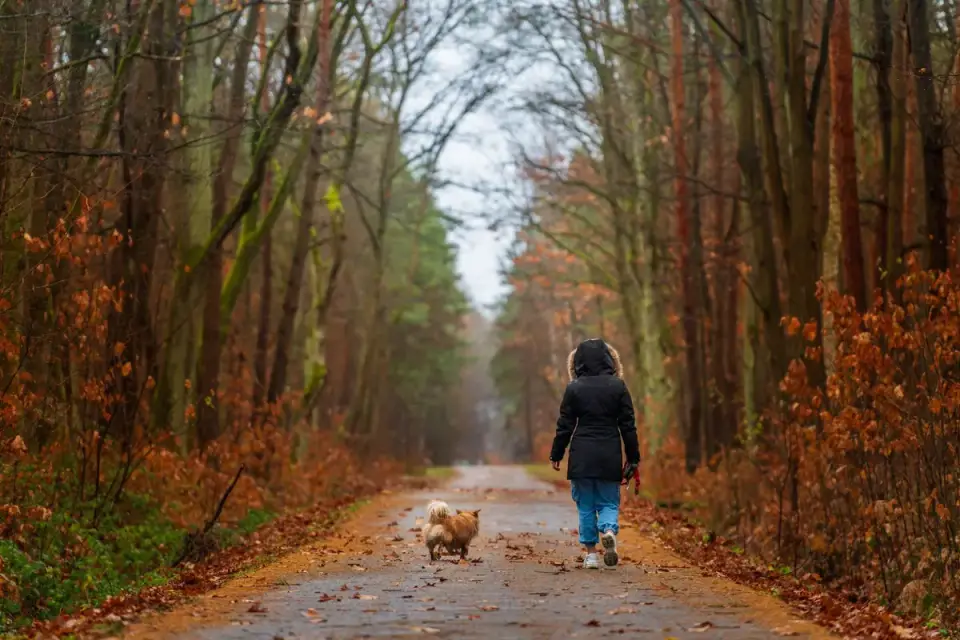
What safe indoor sessions actually look like
Only do these if your veterinarian or rehab therapist has cleared active recovery. Protocols differ after surgery versus conservative management.
Slow hallway leash walks. Five to ten slow passes on mats, head up, even pace. You should hear even footfalls. Stop while the dog still looks good.
Weight shifts. With the dog standing square on a mat, lure the nose gently side to side and slightly forward so weight moves across all four feet. No pushing on hips. Five to eight gentle shifts is enough.
Treat lure arcs. Small figure-eight nose follows at a walk, wide turns only, on traction. This encourages hind-leg use without pivoting hard on the sore knee.
Approved sit-to-stand. Only if the dog can sit square without shifting off the sore side. Two to three slow reps, once daily at first. Skip this entirely if sitting looks crooked or painful.
Snuffle, lick, and puzzle feeding. Mental work lowers the restless energy that leads to zoomies. It is exercise for behavior, not the joint.
By day 10 of that routine, many owners report less stiffness rising in the morning. That is useful, but it is not proof of ligament healing — it reflects better comfort and muscle recruitment.
The food and supplement question, honestly weighed
My position is direct: hold a lean body condition and feed a complete, measured diet first, then consider joint-support ingredients for what they may help support, not for repair.
Glucosamine and chondroitin are among the most studied joint support ingredients for dogs, and the nutritional literature gives us narrow, structure-focused language. One line of research found chondroitin “supports healthy synovial fluid homeostasis,” reported in Frontiers in Veterinary Science. Laboratory work has also noted glucosamine HCl can “prevent experimentally induced cartilage degradation in vitro,” as described in the Journal of Veterinary Medical Science. For green-lipped mussel, a study in Nutrients reported that “BMO, GMO, and KO all alleviated paw swelling in rats and reduced serum levels of rheumatoid factor (RF), anti-cyclic citrullinated peptide (anti-CCP) antibody, and pro-inflammatory cytokines such as TNF-α and IL-17.”
Ground an integrative claim in the nutritional evidence: those findings may help support whole-patient joint nutrition during rehab, but none of them rebuilds a torn cruciate or replaces weight control and controlled loading.
The strongest counterargument I hear is that supplements speed ligament healing and let owners progress exercise faster. I reject that shortcut. No supplement changes leash length, footing, or repetitions, which are what actually re-injure dogs indoors.
When good intentions go wrong
A three-year-old, 52-pound border collie mix I followed was two weeks post–cruciate surgery and bouncing off the walls. The owner, trying to help, set up indoor fetch down a tiled hallway and ten minutes of tug twice a day to “keep muscle on.” By day 12 the dog was toe-touching again after improving, sat with the leg kicked out, and needed an extra vet visit for increased effusion. We stripped it back to mat-covered potty walks, crate rest between sessions, and food puzzles for energy. The tradeoff was clear: intensity felt productive but loaded a healing knee with shear and stop-start force.
That pattern is the same one behind Fetch vs. Structured Walks: Which Exercise Actually Serves Your Dog Better? — fetch trains explosion, recovery needs precision.
Control the arousal first.
The edge case that changes the plan
Not every limping dog in the house is on the same protocol. A seven-year-old, 94-pound senior with a chronic partial tear on one side and early stiffness in the other started refusing to lie on the sore side by week five, then began bunny-hopping up the single step to the patio. The owner wanted more indoor reps. The right move was fewer reps and a vet recheck for pain control and opposite-leg overload, plus added rugs at thresholds and a ramp instead of that one step. Older, heavier dogs often need load reduction before load progression.
Small spaces need the same thinking. Five-minute sessions beat one long session, and days should end with the dog willing to move, not exhausted.
Warm-up matters even indoors. A minute of slow walking and gentle range-of-motion as approved by your rehab team beats starting cold, a principle I also outline in Warm-Up Exercises Before a Dog Runs or Plays.
What should you actually prioritize this week? Traction, leash control, lean weight, and boring consistency.
Frequently asked questions
How much indoor exercise should a dog with a cruciate injury get?
Most dogs start with 3–5 minute leashed sessions 2–4 times daily on traction, plus potty walks as directed. Your surgeon or rehab vet sets the exact time based on surgery type, weight-bearing, and pain.
What indoor activities are unsafe during cruciate recovery?
Avoid fetch, tug, jumping on furniture, stairs, slick-floor chasing, and tight pivots. Those add shear and impact the healing stifle cannot handle.
Can I do sit-to-stands at home?
Only if approved and the dog can sit square without pain. Start with 2–3 slow reps once daily and stop if the sit looks crooked or lameness worsens.
Should I use a joint supplement during recovery?
Focus first on lean body condition and a complete diet. Joint-support ingredients like glucosamine, chondroitin, and green-lipped mussel may help support joint nutrition, but they do not repair the ligament.
Sources
- Synovial fluid homeostasis study — Frontiers in Veterinary Science
- Cartilage degradation review — Journal of Veterinary Medical Science
- Marine oils and joint inflammation study — Nutrients