Is Running Bad for a Dog's Joints? What Actually Matters
A veterinary nutritionist and sports-medicine perspective on when running supports joints, when it strains them, and how to build mileage safely.
Running is not automatically bad for joints — load, fitness, and recovery decide it.
On this page
Running does not ruin joints on its own. What ruins joints is too much load, too fast, on a dog that is not conditioned for it.
I work at the overlap of food therapy, supplement science, and sports-medicine and rehab, so I weigh what running can do for mobility against what diet and recovery can realistically support. Here is the checklist I use before I clear a dog to run:
- Age and growth: growth plates still open? Large breeds often need 12-18 months before sustained running.
- Weight and condition: extra pounds multiply joint load with every stride.
- Baseline fitness: can the dog walk briskly for 45 minutes without fading?
- Surface and pace: steady trot on dirt or grass beats sprint-stop on concrete.
- Dose and progression: build weekly mileage slowly, with rest days.
- Recovery signals: stiffness after rest, lagging behind, or a shortened stride the next morning.
- Diet foundation: complete, balanced food at lean body condition first, joint support second.
If any box fails, fix that box before adding miles.
The question is load, not running itself
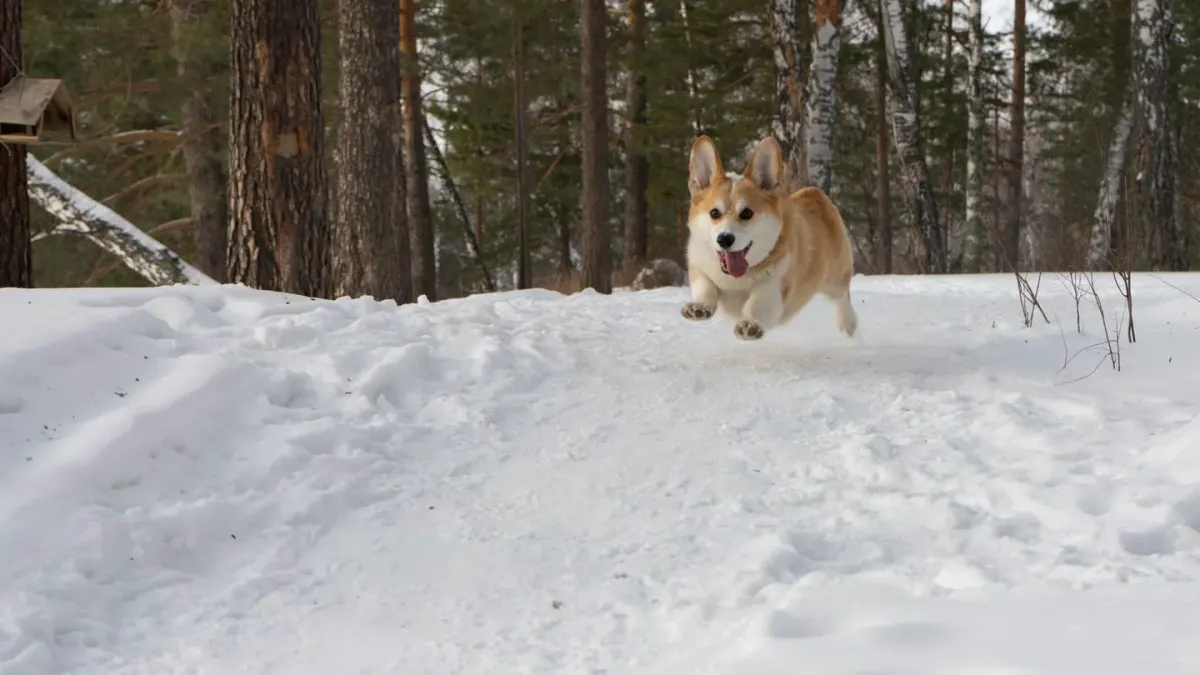
A two-year-old 44-pound cattle dog mix came in for a fitness check because her owner wanted to train for a 5K together. She was lean, walked three miles easily, trotted without breaking stride, and recovered cleanly within an hour. Three weeks in, the owner reported she was pulling toward her running shoes at the door and holding a steady trot for 20 minutes without panting hard. The decision was concrete: keep the steady trot on a dirt trail twice a week, hold walks on the other days, and watch morning stiffness as the stop sign. That dog was a runner.
That is the pattern I look for. Joints adapt to gradual, repeated loading when the surrounding muscle, weight, and rest support it. They get irritated by sudden spikes.
Dogs that run regularly within their fitness often maintain muscle that protects joints.
When good intentions overload a joint
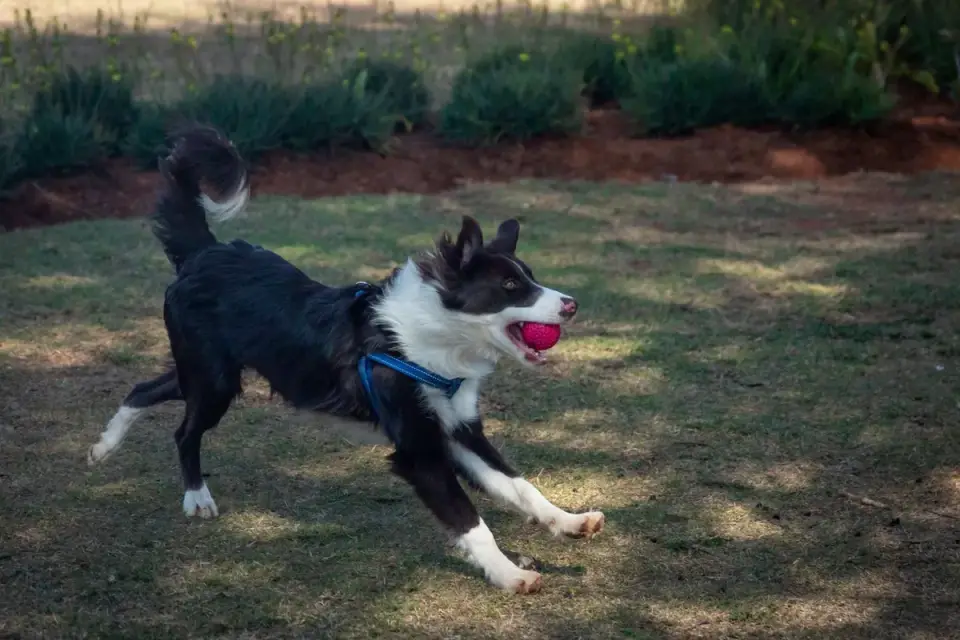
A six-year-old 78-pound Labrador Retriever had spent winter doing short leash walks, then joined his owner for two six-mile runs on a weekend. By day 3 he was slow to rise, bunny-hopped on stairs, and cut the evening walk short after ten minutes. radiographs showed no fracture, just an overweight, deconditioned dog asked for marathon work on sore soft tissue. We backed all the way down to daily 20-minute walks, a weight plan, and strength work before any trot was reintroduced.
It was not running that failed him.
It is the weekend-warrior tradeoff I see most: fitness cannot be borrowed on Saturday. For guidance on pacing that mistake, see Common Dog Exercise Mistakes Owners Make (And What to Do Instead) and the comparison in Walking vs Running: Which Is Better for Your Dog.
Why steady miles beat sprint-stop games
Repetitive trot is rhythmic and predictable. Fetch, dog-park sprints, and hard cuts are not. Sharp deceleration, jumping, and collisions load shoulders, elbows, stifles, and hips in ways that steady running rarely does. That is why I often keep fetch short and use structured walks and trots for conditioning. For more on that tradeoff, see Fetch vs. Structured Walks: Which Exercise Actually Serves Your Dog Better?.
Surface matters too. Grass, dirt trail, or track spreads force better than concrete. Heat and hard pavement raise injury risk faster than distance alone. Keep early runs to 10-15 minutes of trot inside a walk, add no more than about 10% per week, and keep one or two full rest days.
Where food and joint support realistically fit
No supplement can realistically do the work of leanness, muscle, and smart progression. I anchor every runner on complete and balanced nutrition, lean body condition you can feel at the ribs, and adequate protein for muscle recovery. Ground an integrative claim in the nutritional evidence, and the evidence here is supportive but thin.
Glucosamine and chondroitin are among the most studied joint support ingredients for dogs, and that history is why I still discuss them for active dogs. In laboratory work, glucosamine was reported to “prevent experimentally induced cartilage degradation in vitro” according to research in the Journal of Veterinary Medical Science, which is interesting but not proof it prevents arthritis in a running dog. Chondroitin has been described as an ingredient that “supports healthy synovial fluid homeostasis” in work published in Frontiers in Veterinary Science, which fits a maintenance role around activity rather than repair of damage.
Green-lipped mussel is ingredient-literate shorthand for omega-3s plus glycosaminoglycans. In a recent rodent model, researchers reported that “BMO, GMO, and KO all alleviated paw swelling in rats and reduced serum levels of rheumatoid factor (RF), anti-cyclic citrullinated peptide (anti-CCP) antibody, and pro-inflammatory cytokines such as TNF-α and IL-17” in Nutrients. That may help support a normal inflammatory response after exercise, but rats are not running Labradors.
Use joint nutrition as background support for diet, mobility, and recovery, not as permission to over-train.
The edge cases that change the plan
A ten-month-old 62-pound young large-breed dog came in with an owner eager to start road miles. He was sound, but gangly, still growing, and tired after 25 minutes of free play at the park. By week two of attempted jogging the owner noticed a choppy trot the morning after. We stopped sustained running entirely and switched to sniff walks, short play on grass, and body-awareness work until skeletal maturity. Growing joints do not need endurance loading to get stronger.
Seniors flip the other way. An eleven-year-old 39-pound spaniel mix still loved a slow two-mile trot on soft trail twice weekly, but needed shorter outings, a warm-up walk, and an extra rest day after. For aging runners, I borrow structure from How Long Should a Dog’s Walk Be? and keep intensity conversational.
My position is direct: condition first, run second, supplement third. The strongest counterargument is that rest protects bad joints best, and for unstable cruciate disease, advanced osteoarthritis flare, or post-surgical healing, that is true. For the healthy adult dog in front of me, though, thoughtful running often supports the muscle and weight control that protect joints long term.
Start with walks, earn the trot, keep the dog lean, and let recovery set the pace.
Sources
- Chondroitin and synovial fluid homeostasis — Frontiers in Veterinary Science
- Glucosamine and cartilage degradation in vitro — Journal of Veterinary Medical Science
- Marine oils, paw swelling and inflammatory markers in rats — Nutrients