Low-Impact Exercise for a Dog With a Sore Paw
How to keep a dog with a sore paw active safely — vet guidance on rest, low-load movement, surfaces, and joint nutrition.
Low-impact exercise keeps a dog with a sore paw moving without loading that tender foot.
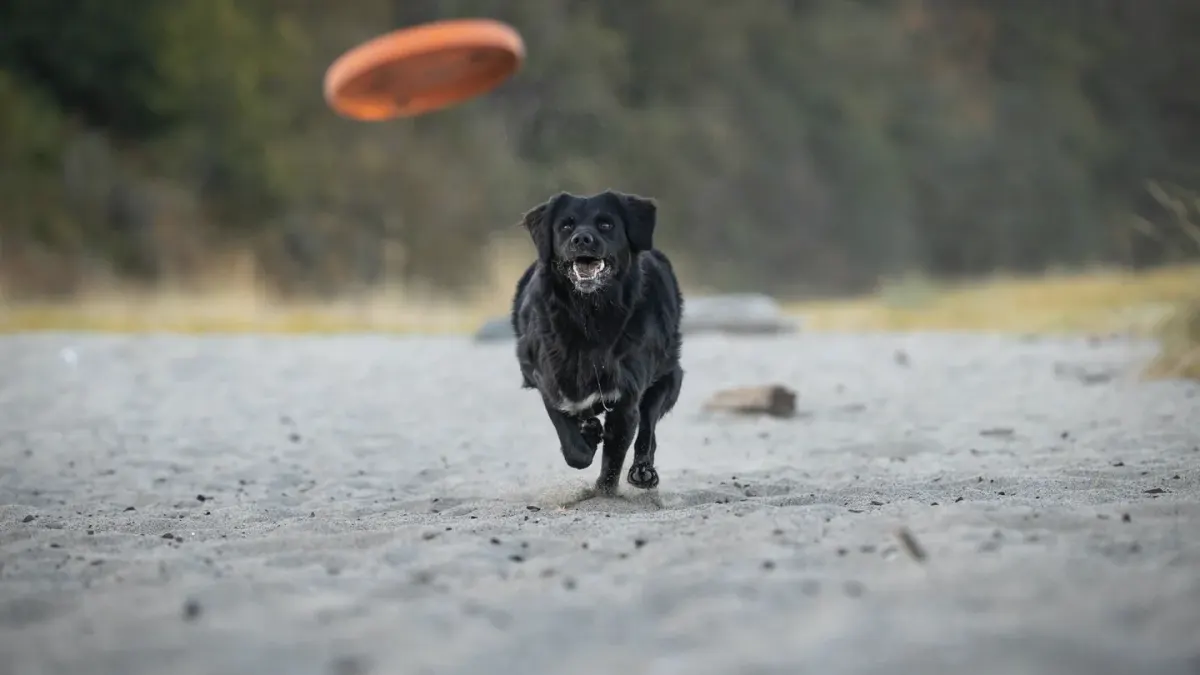
A limping dog still needs motion, just not through the sore foot. The goal for the next week or two is circulation and calm behavior without pounding, twisting, or long miles on that paw.
Check yourself before you head out:
- Is the paw weight-bearing at a walk, or is he carrying it?
- Is there bleeding, swelling between toes, a torn nail, or a foreign body?
- Can you keep the walk to 5–10 minutes on soft, clean ground?
- Can you trade fetch and dog-park sprints for sniffing, training, and core work?
- Is food portion matched to lower activity so weight does not creep up?
If he will not bear weight, if swelling is worsening, or if licking is constant, pause exercise and call your veterinarian that day.
An 8-year-old 54-pound Beagle mix came in hopping after a weekend hike, front paw lifted every third step. His owner worried crate rest for three weeks would undo his weight loss. On the exam table the pad was tender but intact, no deep cut, and he would tap the foot down at a slow walk. We agreed on a holding pattern: two short grass walks a day instead of one long sidewalk loop, plus food puzzles and nose games indoors. By day 10 his stride looked even on grass, and that quantified change mattered more than any supplement — load control had let the tissue calm down.
How sore is sore enough to change the plan?
Think in terms of load, not just minutes. A sore paw tolerates gentle, even weight-bearing on forgiving ground. It does not tolerate impact, shear, or fatigue.
Rest helps for 24–48 hours after a mild tweak, hot pavement burn, or minor pad abrasion. Past that, complete stillness starts costing muscle tone, joint lubrication, and gut motility. That is where low-impact movement earns its place.
My position, from nutrition and sports-medicine work, is this: controlled, low-load activity plus steady feeding does more for diet, mobility, and recovery than any joint powder can on its own. Glucosamine and chondroitin are among the most studied joint support ingredients for dogs, and that evidence base is worth knowing, but it does not replace mechanical rest for a sore foot. Work first, food second, supplement as background support.
The strongest counterargument is understandable: why not just rest completely until the limp is gone? For a sharp non-weight-bearing lameness, that is correct. For the common mild sore paw that still touches down, short, deliberate movement may help support normal circulation and whole-patient comfort better than a week on the couch, where stiffness and restlessness build.
What counts as low impact right now
Trade distance and speed for control and surface.
Slow leash walks on grass or packed dirt beat longer sidewalk marches. Keep the pace at your dog’s comfortable sniffing walk, 5–15 minutes at a time, once or twice daily depending on how he looks the next morning. If lameness is worse after rest the next day, you did too much.
Sniff walks, scatter feeding in the yard, and easy training sessions — touch, find it, loose-leash turns — burn mental energy without paw pounding. Uphill sprints, fetch, tug with spinning, dog-park chase, and jogging beside a bike are out until the paw is normal for several days.
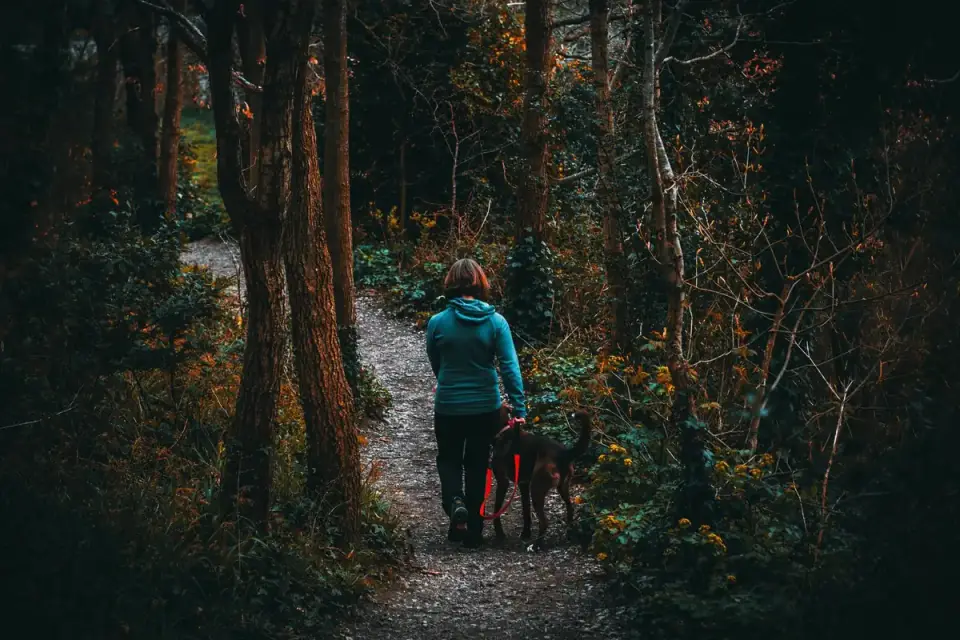
A 4-year-old 72-pound Labrador tried to stay on his normal routine and it backfired. His owner swapped one 3-mile run for three 1-mile leash walks on asphalt, thinking shorter meant safer. The volume was still high and the surface still hard. By day 5 the dog was licking his front pad raw at night and shifting weight in the kitchen. We cut to a single flat grass loop, added indoor search games, and kept the boot off indoors to air the foot. The tradeoff was clear: preserving fitness felt responsible, but repeating the same loading pattern only prolonged irritation.
That pattern is one I flag in Common Dog Exercise Mistakes Owners Make (And What to Do Instead) and in Fetch vs. Structured Walks: Which Exercise Actually Serves Your Dog Better? — repetition on hard ground loads the same tissue the same way.
Keep the foot clean and dry. Rinse grit or road salt after walks, pat dry, and check between toes. A light, well-fitted boot can help for a short potty walk on rough ground, but remove it indoors and watch for rubbing. Do not wrap tightly or apply human antiseptics unless your veterinarian directs it.
Where food and joint nutrition fit around the work
A less-active dog still needs complete nutrition, just fewer calories. Weigh meals for a week or two, favor lean protein and fiber for satiety, and adjust treats into the daily count. Food therapy here is practical: maintain body condition so every step loads less weight.
This is also where owners ask about joint chews. Weigh what a supplement can realistically do for diet, mobility, and recovery. Research in dogs shows chondroitin supports healthy synovial fluid homeostasis, according to Frontiers in Veterinary Science, and laboratory work found glucosamine may prevent experimentally induced cartilage degradation in vitro, as reported by the Journal of Veterinary Medical Science. Green-lipped mussel has been studied for joint support, with one nutrient analysis noting marine oils alleviated paw swelling in rats and reduced serum levels of rheumatoid factor (RF), anti-cyclic citrullinated peptide (anti-CCP) antibody, and pro-inflammatory cytokines such as TNF-α and IL-17, per Nutrients.
That science may help support normal joint structure, but it works over weeks, not walks.
It will not cushion today’s sore pad.
Use supplements only as steady background nutrition while load management does the immediate work, and keep expectations structure/function: support mobility, not fix lameness.
A 9-year-old 38-pound border collie mix showed the edge case. Her paw looked only mildly red, yet she lay down three weeks in on a familiar half-mile grass loop she had handled easily before. Bloodwork and an exam found the real limiter was early hind-end stiffness and extra weight, not just the front paw. We shortened walks further, added 5-minute indoor weight-shifting and cavaletti poles at step height on carpet, and tightened her ration. Once overall load dropped, the front paw stopped taking the extra compensation and her willingness improved. Sore paws sometimes reveal the rest of the body.
For ideas on that progression, see Warm-Up Exercises Before a Dog Runs or Plays and Off-Leash Play vs. On-Leash Walks: Which One Actually Exercises Your Dog?.
A week you can actually do
Days 1–2: potty walks only, 5 minutes on grass. Two 5-minute nose games daily. Check paw morning and night.
Days 3–5: if weight-bearing steadily, add one 10-minute flat sniff walk. Keep fetch, parks, and long outings paused. Adjust food down 10–15% if activity is halved and your veterinarian agrees.
Days 6–10: build by 5 minutes every other day only if next-morning lameness is unchanged or better. Reintroduce gentle hills before speed.
Call sooner for non-weight-bearing lameness, swelling spreading up the leg, odor or discharge, torn nail bleeding that will not stop, or limping beyond 3–4 days without improvement.
You are not trying to exercise through pain. You are preserving movement around it until the paw can carry its share again.
Frequently asked questions
How long should I rest a dog with a sore paw?
For a mild limp where he still bears weight, 24–48 hours of relative rest is often enough before starting short grass walks. If he will not bear weight, or limping lasts beyond 3–4 days, have your veterinarian examine the paw.
Is walking okay if my dog is still limping a little?
A faint, stable limp that does not worsen the next morning may tolerate 5–10 minute slow walks on soft ground. Stop and recheck if lameness increases during the walk or after rest.
Should I use a boot?
A well-fitted boot can protect a healing pad on a short outdoor walk. Remove it indoors, keep the foot clean and dry, and discontinue if you see rubbing or increased licking.
Sources
- Synovial homeostasis study — Frontiers in Veterinary Science
- Cartilage degradation in vitro study — Journal of Veterinary Medical Science
- Marine oils and paw swelling analysis — Nutrients