Why Is Urine Marking in Dogs So Hard to Stop?
Learn why dogs urine mark, how it differs from accidents, and practical steps to reduce triggers and protect your home.
Urine marking in dogs is communication, not spite — manage triggers and clean well to reduce it fast.
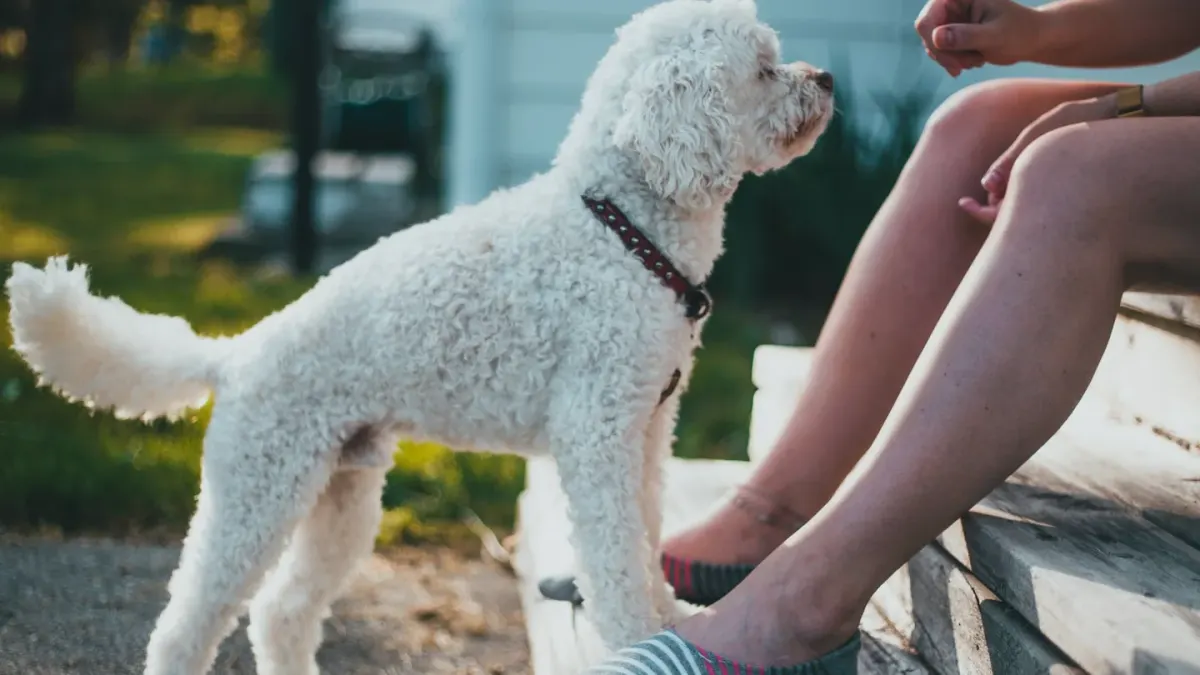
Laura knew Tibby had been fully housetrained when the 2-year-old spayed Miniature Australian Shepherd started leaving quarter-sized spots on the new bookshelf in Salem, Oregon. The marks appeared within ten minutes of a neighbor dog visiting, always vertical, always small, and Tibby seemed almost relieved afterward.
That pattern is classic for urine marking in dogs. Your dog is not being stubborn or seeking revenge. Marking is social communication driven by novelty, social odor, or unease, and scolding after the fact does not translate.
Vets often see owners confuse marking with incomplete housetraining. Marking tends to target vertical surfaces, doorframes, chair legs, and bags, in small amounts, often after something new enters the home. A full puddle on a horizontal floor, straining, or needing to go overnight points more toward housetraining or a medical issue.
Marking is a message, not misbehavior
Dogs gather a remarkable amount of information from urine odor. Intact males mark most, but spayed females and neutered males mark too, especially in multi-dog homes or busy neighborhoods. New furniture, a guest dog’s scent on shoes, or a hallway where other dogs have urinated can prompt a quick lift or squat.
This is why punishment tends to backfire. If you yell or drag your dog to the spot, you add stress without changing the trigger. Guidance from VCA Hospitals describes marking as anxiety or territorially motivated communication rather than a housetraining failure, which shifts the job toward prevention and cleanup.
Expectation first: you can reduce marking a great deal, but you may not erase every outdoor mark on walks. That is normal canine behavior.
What sets it off most often
Think like a detective for one week. Note where, when, and what changed just before.
New social smells lead the list. Visiting dogs, a new baby, luggage, or a secondhand couch carry novel odor. Conflict or excitement at windows and doors comes next. Dogs that rush the front door often mark nearby after a delivery or a passing dog. Change in routine matters too, especially for adolescents and newly adopted dogs still learning the household rhythm.

Management works faster than lectures.
If intact males in the home are part of the picture, it helps to understand how neutering affects marking and mounting before you decide. For indoor spots specifically, compare notes with why dogs mark territory inside the house.
Anxiety plays a larger role than many owners expect. The Merck Veterinary Manual notes that social signaling in dogs is closely tied to arousal and context, so a dog that marks at greetings, separations, or vet-visit smells may benefit most from calmer routines rather than stricter rules.
What lowers the urge without scolding
Start with odor removal. Blot fresh urine, then saturate with an enzymatic cleaner made for pet urine and let it air dry completely. Standard cleaners may smell fresh to you while leaving proteins your dog can still detect.
Then limit rehearsal for two to three weeks. Keep a leash by the door, gate off the marked room, and greet guests outside before coming in. Reward outdoor elimination within three seconds with quiet praise and a treat, then give a brief sniff walk so marking on a tree earns its appropriate outlet.
Build a predictable day around feeding, exercise, enrichment, and rest. Short training sessions that end in a settle on a mat may help support relaxed behavior around triggers. If separations are hard, practice brief alone-time departures using the same low-key steps outlined in alone-time training for a newly adopted rescue dog.
You will doubt whether you are rewarding too much. Most families under-reward calm behavior, not the reverse.
Call your veterinarian promptly for any new marking paired with increased thirst, frequent squatting, cloudy or bloody urine, or house soiling in a senior dog like Gretchen, the 9-year-old Bernese Mountain Dog, since urinary infection, stones, or cognitive change can look similar at first. Bring your one-week log with times, locations, and what happened beforehand.
You can live with less marking when communication gets an easier path.
Frequently asked questions
Is urine marking the same as a housetraining accident?
Usually not. Marking leaves small amounts on vertical surfaces after a trigger, while accidents tend to be larger puddles on floors and reflect schedule, access, or medical issues.
Will scolding stop my dog from marking?
No, and it often raises anxiety. Interrupt calmly if you catch the start, redirect outside, reward elimination there, and clean indoor spots thoroughly.
When should I call the vet about marking?
Call promptly for straining, blood, increased thirst or frequency, or any sudden change in an older dog, since medical causes need to be ruled out first.
Sources
- Social Behavior of Dogs — Merck Veterinary Manual