Why Your Dog Gets Anxious in Hotel Rooms — and How to Help Them Settle
Hotel rooms trigger anxiety in many dogs through new smells, sounds, and broken routines. Learn what helps them settle, from routine to calming support.
That hotel-room pacing isn't bad behavior — it's your dog telling you nothing smells or sounds safe yet.
On this page
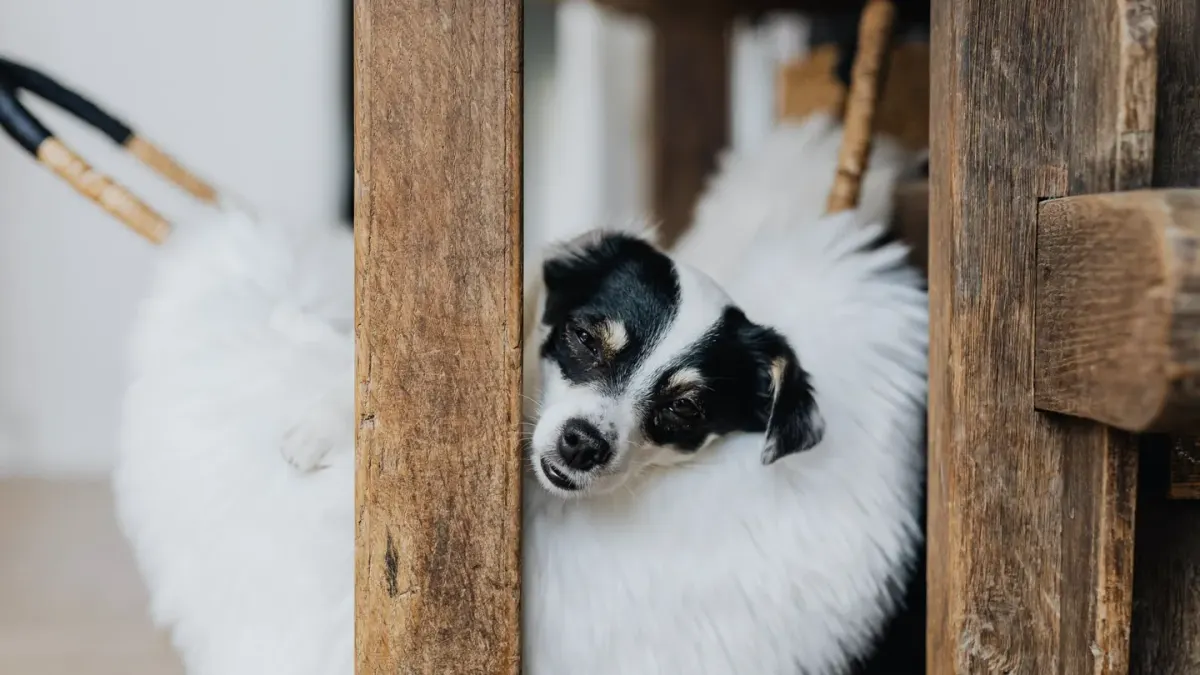
You walk in, drop the bags, and your easy-at-home dog starts panting, pacing between the bed and the door, and staring at every hallway noise like it’s a threat. If your dog gets anxious in hotel rooms during a trip, you’re seeing normal biology in a strange place, not disobedience.
A hotel room strips away every cue that tells a dog they’re safe. The floor smells like cleaning products and past guests, the AC clicks on by itself, elevators thump, ice machines rattle, and you act a little different too. For a species that navigates by smell and routine, that blank slate can feel risky until they build a new map.
I see this most in middle-aged dogs who are solid at home but haven’t traveled much. Take a typical composite from practice: a five-year-old, 62-pound Labrador mix, good with house manners, on his first two-night road trip. By 9 p.m. on night one he was drooling at the door, whining when the hallway elevator dinged, and unable to lie down for more than three minutes. His owner worried he’d bark all night and get them kicked out, and she was weighing whether to skip dinner out to sit with him or try a late walk to tire him out.
Why a familiar dog turns into a different dog upstairs
Think of it as context loss plus sensory load.
At home your dog has a mental schedule: where water lives, where to potty, which couch means nap, which sounds you ignore. In a hotel, none of that transfers. Add reflective floors, blackout curtains that don’t smell like home, a bathroom fan that runs loud, and people talking right outside the door, and the stress cup fills fast.
Common hotel triggers I talk through with owners:
The smell story
Dogs check safety with their nose first. A sanitized room with no family scent can keep them on alert.
The sound story
Thin walls, doors slamming, carts rolling at 11 p.m. — sounds with no visual explanation are hard to dismiss.
The routine story
Later meals, missed walks, less sniffing, more car time. Tired plus wired is a rough combo for settling.
That Labrador mix wasn’t being stubborn. He just had no familiar anchor, and by day two his appetite was off because his gut and routine were off too.
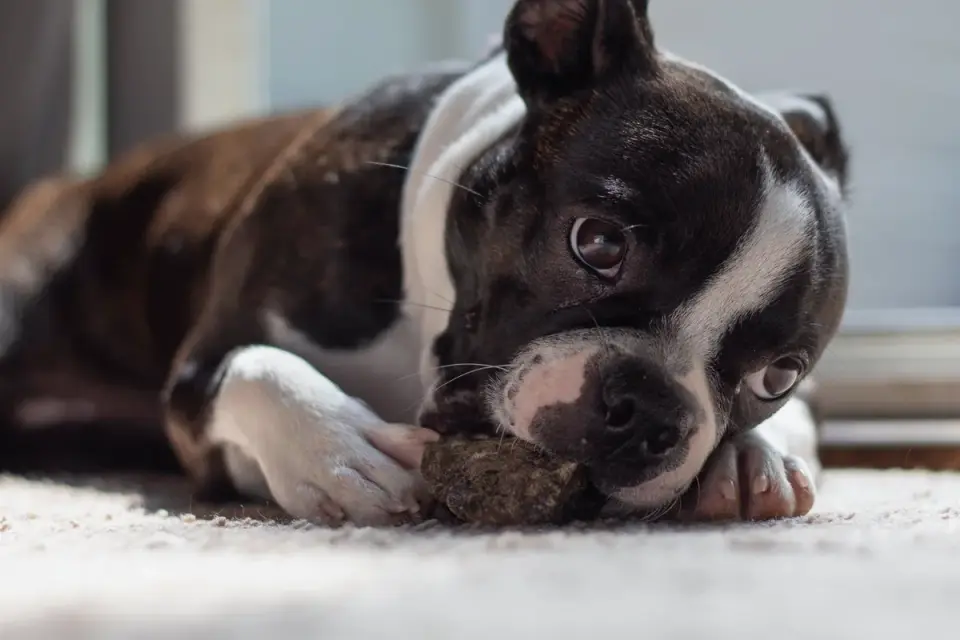
What actually helps them feel safe again
My position from day-to-day practice is simple: rebuild routine and familiarity first, then consider calming support as a helper — not the other way around. A chew won’t teach a strange room to feel safe, but structure plus scent plus a predictable evening can.
Start with a do-this-today setup, even if you arrived an hour ago:
Keep feeding and walking times close to home times. Bring the regular food, the usual bowl, a worn T-shirt that smells like home, and the bed or blanket they already use. Feed a normal meal, offer water, then take a short sniff-heavy walk for potty and decompression before you expect any rest.
In the room, make one small den. Same corner for the bed every stay, lights low, TV on low for steady background sound, your shoes and bag parked where they can sniff them. Practice two or three short alone moments — step into the hallway for 30 seconds, return calmly — so door sounds start to mean nothing.
Exercise helps, but timing matters. A long midday sniff walk or game of find-the-treat supports rest later. A frantic 10 p.m. run around the parking lot often backfires.
Here’s where I watch the shortcut go sideways. Another composite I think about a lot: a three-year-old, 28-pound beagle mix on a four-day family trip. By day three she was barking at housekeeping carts and scratching the door when left for breakfast. Her owner had skipped the bed from home to pack light, fed dinner two hours late, then tried double doses of two different calming products from a gas station, hoping she’d get sleepy. She didn’t — she got restless, gassy, skipped breakfast, and was even more vocal that night because nothing else about the room had changed.
That tradeoff is common. When we lean on a product to replace routine, we miss the levers that move the needle most: predictable meals, familiar scent, white noise, and practice with hotel sounds.
Where calming ingredients fit — and where the evidence is thin
Once routine is set, some owners ask about l-theanine, chamomile, valerian root, or ashwagandha for travel stress. I stay in structure/function language here: these ingredients are studied or traditionally used to support relaxation or help maintain calm, not to treat anxiety disorders or sedate a dog quiet.
Be honest about the evidence gaps, especially for dogs. For chamomile, one broad review notes that “For the remaining species, evidence is derived mainly from preclinical studies or traditional use.” as summarized in a review published by MDPI. In plain terms: traditional use to support relaxation, including the idea that “Chamomile and Valerian Root have been used in traditional herbal care to support relaxation.” is the story, not strong canine clinical trials.
For ashwagandha, human research is more developed but still not dog-specific. “A systematic review analyzed multiple RCTs and concluded that ashwagandha has a moderate positive impact on stress reduction and cognitive performance.” as reported by Cureus. That tells us why the ingredient is interesting for stress support, not that it will settle every hotel barker.
L-theanine follows the same pattern. It is often described this way: “L-theanine is an amino acid found in tea that has been studied for its calming properties.” That framing matters, and human anxiety data are mixed and dose-specific — one review notes “except for one study on psychotic anxiety (SMD = 0.54; 400 mg/day for 8 weeks)” as detailed in Molecular Psychiatry. You can’t lift that human dose to dogs.
If you want to learn how two of these compare, this explainer on L-Theanine vs. Valerian Root for Anxious Dogs: Which One Actually Helps? walks through the differences in plain language. And because travel often upsets stomachs too, this guide on CFU Count vs. Strain Diversity on Dog Probiotic Labels: What Actually Predicts Results helps you read labels without chasing big numbers.
My strongest counterargument? Some trainers argue any calming supplement is a distraction and owners should do behavior work only. I respect that — routine and desensitization do the heavy lifting. I still land on routine plus optional, vet-guided support for short trips, because a little support for maintaining calm can make the training possible when you only have two nights.
The edge case that changes my advice is the senior dog who was fine traveling for years and suddenly isn’t. Picture a nine-year-old, 45-pound border collie mix who’d done hotels since puppyhood, then three weeks into a move with back-to-back stays started trembling at check-in and refusing stairs by night two. For that age group I don’t just add calming support and push through. I check pain, vision, hearing, and nighttime needing to urinate — hotel anxiety layered on arthritis or cognitive change needs a vet visit, not a new chew.
A simple hotel plan you can reuse
Short and repeatable beats perfect.
Night-one checklist
Unpack scent first: bed, blanket, your shirt. Same spot each time. Water, regular dinner, sniff walk, potty on the same patch of grass if you can.
Sound cover
Low TV or fan, bathroom door closed so the fan doesn’t kick on at 2 a.m., hallway practice in daylight so night sounds aren’t brand new.
Alone time
Don’t make the first alone stint a two-hour dinner. Do brief exits, calm returns, and a food puzzle for the first 15 minutes. Ask the front desk about quiet floors and housekeeping times so you’re not surprised.
Call your veterinarian before the trip if your dog pants for hours, can’t settle despite routine, tries to escape, vomits or has diarrhea from stress, or if anxiety is new in a senior dog. Travel is also a good time to confirm ID tags, microchip info, vaccine records, and what the hotel allows for unattended dogs.
You can’t make a hotel feel like home. You can make it predictable.
Frequently asked questions
Why is my dog fine at home but anxious in hotel rooms?
Home has familiar smells, sounds, and routines that signal safety. A hotel removes those cues and adds strange noises and smells, so many dogs stay alert until the room becomes predictable.
Should I leave my anxious dog alone in a hotel room?
Keep first absences very short and build up only if your dog stays calm. Use a familiar bed, background sound, and a food puzzle, and check hotel rules — many hotels don't allow unattended dogs.
Do calming chews work for hotel anxiety?
They may help support calm alongside routine, but evidence in dogs is limited and they won't replace familiar scent, exercise, and training. Talk to your vet before travel about what's appropriate for your dog.
Sources
- A Review on Chamomile Traditional Use — MDPI
- Ashwagandha and Stress Systematic Review — Cureus
- L-Theanine and Anxiety Meta-Analysis — Molecular Psychiatry