Physical Therapy Options for Aging Dogs With Mobility Issues
A practical guide to physical therapy options for aging dogs with mobility issues, from home ramps to hydrotherapy and vet rehab.
Don't chase the perfect rehab plan — start with what your budget and schedule can actually sustain.
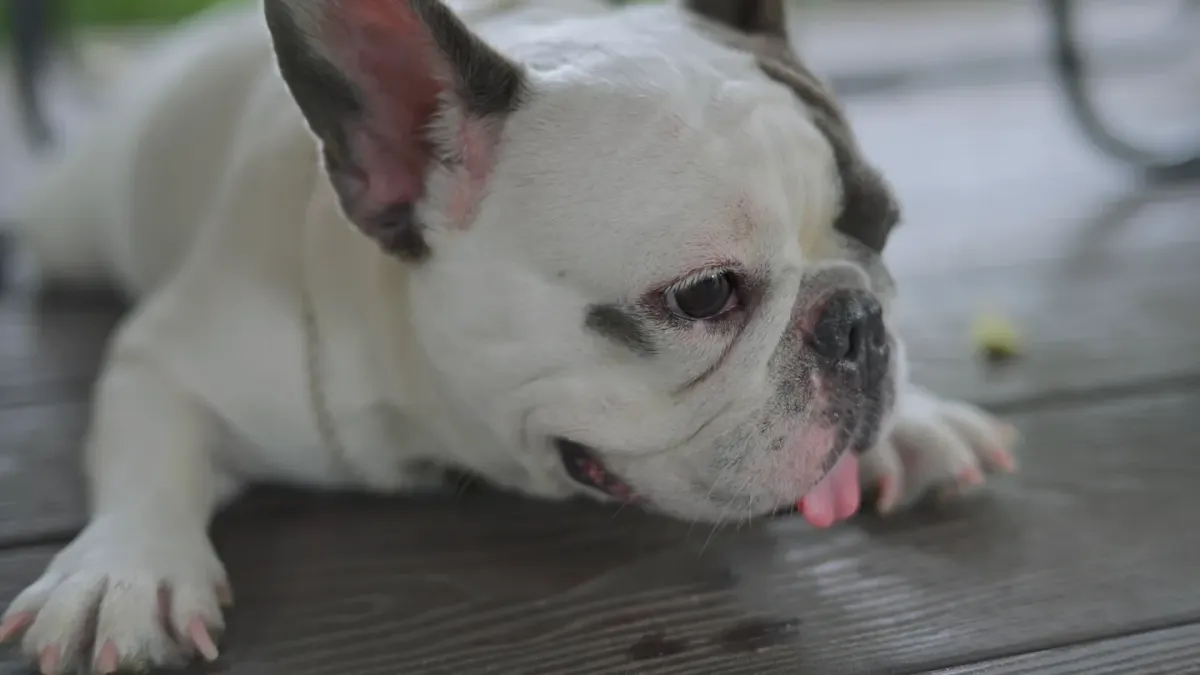
The kitchen tile told the story first. A 12-year-old, 68-pound Labrador would stand at the rug’s edge, rock his weight forward, then think better of crossing to his water bowl. His owner worried about hips, but what she really wanted to know was which physical therapy options for aging dogs with mobility issues were worth the drive, the money, and the stress on him.
My answer was not the ideal plan. It was the plan she could keep.
Here is the checklist I use before we pick anything:
- Pain control first: no exercise program works if every step hurts
- Home setup: traction, ramps, bedding, and body weight matter more than gadgets
- Low-impact movement: short leash walks plus guided range-of-motion and core work
- Assisted therapy if accessible: underwater treadmill or swim, laser or therapeutic ultrasound by a trained provider, massage and targeted strengthening
- Joint nutrition context: diet, weight, and well-studied support ingredients alongside rehab
- Measure for three weeks: stairs, rise time, walk distance, slips, and rest needs
That list weighs the cost and the access before the ideal. A supplement supports wellness, not replaces medicine, and the same is true for rehab tools.
Three weeks in, that same Lab was crossing the kitchen again — not because we found a miracle, but because we fixed the floors with two $30 runners, trimmed three pounds with measured meals, and swapped one long walk for two slow 10-minute walks on grass. His rise time dropped from four tries to one smooth push. That number mattered more to his owner than any brochure promise, and it shaped what we added next.
Steady footing at home beats fancy equipment
Most senior slips happen at home. Hardwood, tile, and tubs turn weak rear legs into a daily struggle.
Do this today: add runners where your dog walks, put a yoga mat under food bowls, use a ramp for the car and for one or two porch steps, and raise bowls just enough that the neck does not strain. Washable, low-pile rugs beat thick rugs that catch toenails. Keep nails short and paw hair trimmed for grip.
Weight is rehab. Every extra pound loads arthritic joints, so ask your vet for a target weight and a measured feeding plan. This is where diet and lifestyle lead, as our pieces on CFU Count vs. Strain Diversity on Dog Probiotic Labels: What Actually Predicts Results and CFU Count for a 10 lb Dog vs a 90 lb Dog Probiotic remind us: labels do not fix the basics.
Veterinary overviews such as VCA Hospitals describe this same foundation of weight control, traction, and controlled activity for arthritic dogs.
Movement you can do without a referral
Controlled movement maintains muscle that holds sore joints together. It does not need to hurt to help.
Try a daily loop: 5 to 15 minute leash walk on soft ground, rest, then 3 to 5 minutes of gentle work — weight shifts, slow sit-to-stands if the vet approves, cavaletti poles from broom handles, and cookie stretches to each hip. Passive range-of-motion, where you gently flex and extend each limb while the dog lies on its side, helps keep stiff joints comfortable.
Stop if there is panting at rest, lagging, limping that worsens by evening, or refusal the next morning. Soreness rules apply: mild tiredness that resolves overnight is okay; lameness that lasts into day two means you did too much.
A 9-year-old, 44-pound border collie mix showed the tradeoff well. Her owner bought a balance disc and did daily 20-minute sessions from videos, hoping to skip the vet visit. By day 10 the dog was slower on stairs and reluctant to jump into the car, because undiagnosed knee pain plus wobble-board work was too much. We cut back to leash walks and vet-guided pain care for two weeks, then reintroduced one balance exercise at a time. Her stair climb went from 28 seconds with two pauses back to 16 seconds smooth, and the owner learned that more is not rehab.
Guidance from the Merck Veterinary Manual also stresses controlled exercise and veterinary diagnosis before pushing activity in dogs with joint disease.
What clinic rehab actually offers
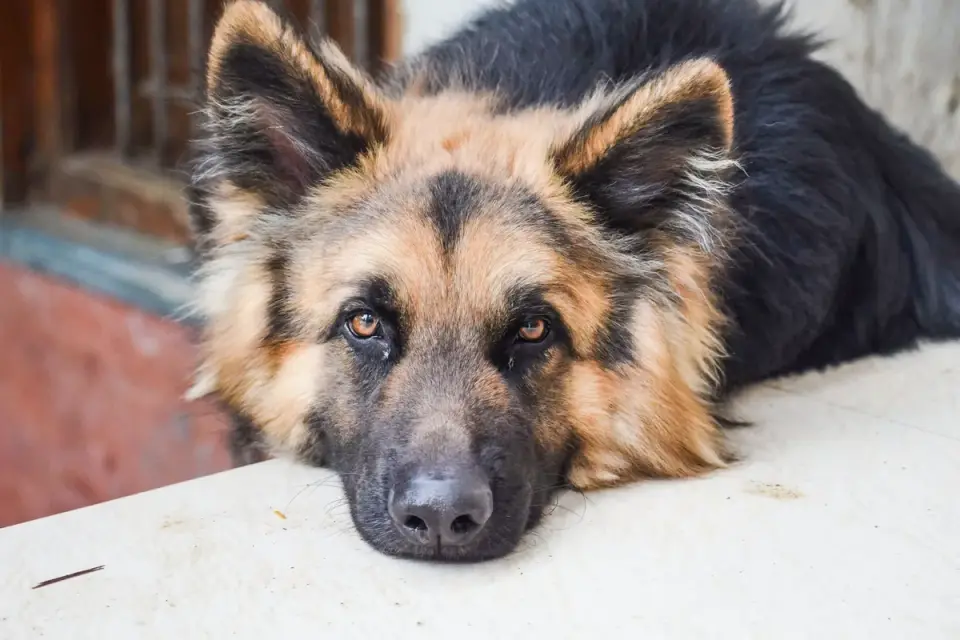
If you have access, a credentialed rehab exam can sort pain from weakness and neurologic drag. Common options include underwater treadmill, supervised swimming, therapeutic laser, therapeutic ultrasound, electrical stimulation, massage, and progressive strengthening with bands or inclines.
There is no single best tool. Water unloads joints and builds muscle fast, but it costs more, needs a facility, and scares some dogs. Laser and massage are lower stress but require repeat visits. My evidence-bounded pick for most families: invest first in pain management plus home traction and walking, then add one assisted modality you can attend consistently for 4 to 6 weeks.
The strongest counterargument is to start with the underwater treadmill right away, because buoyancy lets weak dogs move without falling. That is fair when a dog cannot walk far enough to keep muscle. I still land on access-first because a perfect protocol you quit after two visits helps less than daily home work you sustain.
Nutrition comes alongside, not instead of, that work. Glucosamine and chondroitin are among the most studied joint support ingredients for dogs, and research language stays modest: chondroitin “supports healthy synovial fluid homeostasis” in work published in Frontiers in Veterinary Science, while glucosamine work reports it can “prevent experimentally induced cartilage degradation in vitro” in the Journal of Veterinary Medical Science. Green-lipped mussel data are earlier stage — one review noted “BMO, GMO, and KO all alleviated paw swelling in rats and reduced serum levels of rheumatoid factor (RF), anti-cyclic citrullinated peptide (anti-CCP) antibody, and pro-inflammatory cytokines such as TNF-α and IL-17” in Nutrients — so I treat it as studied for joint support, not proven pain relief.
That context pairs with diet basics, not human products. See Can My Dog Have My Kid’s Chewable Vitamins Instead of a Dog Multivitamin? and Can Dogs Have Adult Gummy Multivitamins Instead of a Dog Multivitamin Chew? for why human vitamins are a poor swap.
Access changes the math in odd ways.
An 11-year-old, 22-pound terrier with rear weakness and mild incontinence could not do the 40-minute drive to the nearest treadmill twice weekly. His owner felt guilty saying no to the “best” option. We built around what was local: monthly vet checks, non-slip paths, a rear-support harness, five-minute curb-step and grass-walk circuits, and massage from a certified practitioner who did house calls. Four weeks in, his night-time restlessness dropped from three wake-ups to one, and he could hold a 15-foot hallway walk without sitting. The edge case taught the rule: travel stress counts as a side effect.
Start where you are.
Ask your vet: is this arthritis, neurologic disease, or both? What pain plan makes movement humane? What is our stop signal? Then pick one home change, one walking change, and — only if cost and access allow — one clinic tool to trial for a month and measure.
Frequently asked questions
How often should a senior dog do physical therapy exercises at home?
Most older dogs do best with short daily sessions — 5 to 15 minutes of walking plus a few minutes of gentle range-of-motion or strengthening — rather than one long weekly workout. Stop and call your vet if limping lasts into the next day.
Is swimming or underwater treadmill better for an aging dog?
Both unload joints while building muscle. Swimming allows free movement but can tire weak dogs fast; the underwater treadmill offers control and support but needs a facility. Pick the one your dog tolerates and you can attend consistently.
When should I skip home exercises and see the vet first?
See the vet first for sudden inability to rise, crying in pain, dragging knuckles, incontinence with weakness, or swelling after activity. Pain control and diagnosis come before any new exercise program.
Sources
- Chondroitin synovial fluid study — Frontiers in Veterinary Science
- Glucosamine cartilage in vitro review — Journal of Veterinary Medical Science
- Marine oil joint inflammation review — Nutrients
- Arthritis in Dogs — VCA Hospitals